


이재철
맞아요 걷는건 속보가 아니면 건강에 별로 도움이 되지 않는다고 하더라구요


Install the Cashdoc app
Walking is also a way to stay healthy.
Just walking will be effective to some extent, but if you start knowing for sure,
It will have more health benefits.
Walking while listening to slightly fast music is said to be more helpful.
It's the world of 10,000-step walking app tech.
Let's walk together knowing how to walk
-------------------------------------------------------------
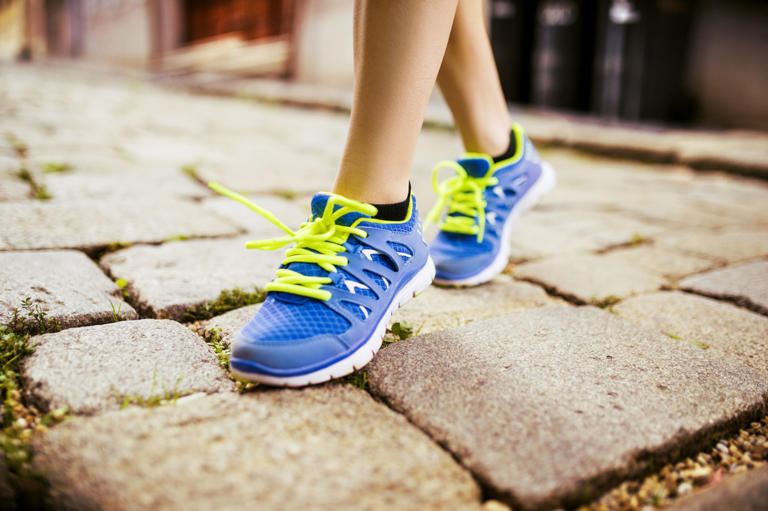
Walking is a great exercise for your health in many ways. Even slightly changing your walking style can yield even greater health benefits.
A little faster… Beneficial for blood sugar and blood vessel health
Even if you walk the same amount of time, walking at a faster pace is more efficient. The faster you walk, the better your blood sugar control. Muscles are the organs that process the most glucose, so much so that they're called blood sugar storage. A larger muscle mass naturally leads to a longer stride and a tendency to walk faster. Fast walkers have been shown to have more muscle mass, and this increased muscle mass is said to contribute to better blood sugar control.
What about those who have little muscle mass but strive to walk briskly? A study from Imperial College London found that, regardless of muscle mass, walking briskly at 3-5 km/h lowered the risk of diabetes by 15% compared to walking at less than 3 km/h. Walking briskly at 5-6 km/h lowered the risk by 24%, while walking briskly at 6 km/h or more lowered the risk by a staggering 39%. Striving to walk briskly can improve cardiorespiratory endurance and improve muscle mass and quality. Even if you currently have limited muscle mass, brisk walking will increase muscle mass, leading to a variety of health benefits.
As walking speed increases, oxygen consumption and sugar metabolism increase, improving blood circulation and vascular health. This decreases catecholamine hormones that raise blood pressure, and vascular endothelial function is activated, increasing vascular elasticity. A study conducted by the State University of New York at Buffalo found that fast-walking groups had an 11-21% lower risk of developing hypertension than those who walked slowly.
It's good to walk often and increase your stride.
If someone who naturally walks slowly suddenly starts walking briskly, they risk injury. Before they can walk briskly, they need to start by walking more frequently. Once they've become accustomed to walking, they can adjust their pace, for example, "walk briskly for one minute, swinging their arms and legs, then walk at their normal pace for one minute," or "walk briskly for three minutes, then walk at their normal pace for three minutes." This will gradually strengthen their muscles, making brisk walking more comfortable.
Extending your stride is another option. Even a 10cm increase in stride length compared to your normal walking pace significantly stimulates your muscles. This strengthens the thigh and pelvic stabilizing muscles, which helps regulate blood sugar levels. This not only improves your health but also reduces the risk of cardiovascular disease and mortality. However, as you extend your stride length, you must maintain your balance while walking. Those with weak pelvic muscles may experience fluctuations in their center of gravity, increasing the risk of falls. When walking, look straight ahead, maintain a straight body, swing your arms naturally, and step from heel to sole to toe.
Seniors should start with indoor exercise. Older adults should be cautious. Elderly patients with diabetes, in particular, often already have significant muscle mass loss and impaired balance. Therefore, brisk walking can strain their cardiopulmonary and musculoskeletal systems and increase the risk of falls. In these cases, it's helpful to gradually increase muscle resistance by performing strength training exercises like squats and planks in a safe indoor environment. Even if you're accustomed to walking and are starting to walk briskly, avoid inclines. Afterward, it's important to stretch, massage, and rest sufficiently to allow your muscles time to recover.