


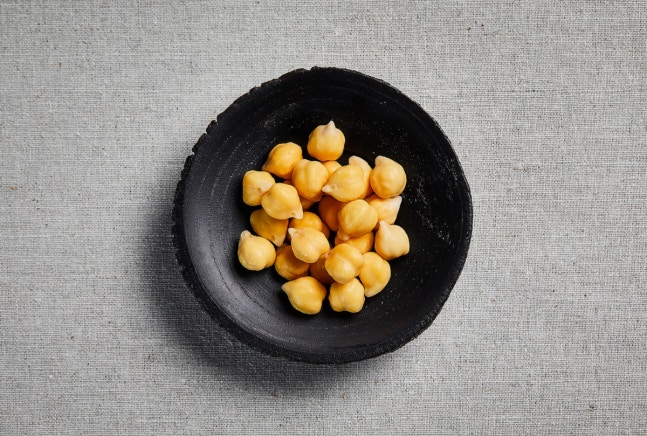
Chickpeas are known as a superfood because they are rich in calcium, magnesium, and other nutrients. They are also not very high in calories, so recently they have been frequently consumed as a diet food. However, there are some people who need to be cautious about consuming chickpeas.
Chickpeas have a low glycemic index, which helps prevent rapid spikes in blood sugar levels. The glycemic index measures how much carbohydrates in food raise blood sugar levels. Typically, foods with a glycemic index of 70 or higher are classified as high-GI foods, those with 56-69 as medium-GI foods, and 55 or below as low-GI foods. The glycemic index of chickpeas is around 28, which is considered low. In fact, according to a study by a research team at King's College London in the UK, people who ate bread containing chickpea flour had a 40% lower blood sugar response compared to those who ate regular bread.
Chickpeas have higher levels of calcium, protein, and dietary fiber compared to other legumes. In particular, the calcium content is 45mg per 100g, which is about twice as much as peas. Therefore, they are good for strengthening weakened bones. Additionally, they are rich in dietary fiber, so even a small amount can quickly induce a feeling of fullness, and they are relatively low in calories, making them popular as a diet food. They are mainly added to rice or mashed and mixed with ingredients like avocado or cream cheese.
However, when consuming chickpeas, it is best not to exceed the daily recommended intake of 300 grams. Since it is a food rich in dietary fiber, excessive consumption can lead to bloating or a feeling of gas. Additionally, chickpeas contain a compound called oxalate. Oxalate binds with calcium, hindering calcium absorption in the body, and can accumulate in the kidneys as calcium oxalate, leading to kidney stones.
Additionally, if you are taking beta-blockers to treat hypertension or angina, you should avoid consuming chickpeas. Chickpeas are rich in potassium, and consuming them together with beta-blockers can lead to hyperkalemia. Even if you have gout, it is better not to eat chickpeas. This is because of a component called 'purine' found in chickpeas. Gout is a metabolic disorder characterized by symptoms in the joints caused by excess uric acid. The purines in chickpeas break down and produce uric acid, which can trigger or worsen gout.
Lowers blood sugar and helps with bone health
Chickpeas have higher levels of calcium, protein, and dietary fiber compared to other legumes. In particular, the calcium content is 45mg per 100g, which is about twice as much as peas. Therefore, they are good for strengthening weakened bones. Additionally, they are rich in dietary fiber, so even a small amount can quickly induce a feeling of fullness, and they are relatively low in calories, making them popular as a diet food. They are mainly added to rice or mashed and mixed with ingredients like avocado or cream cheese.
Eating too much increases the risk of kidney stones.
Additionally, if you are taking beta-blockers to treat hypertension or angina, you should avoid consuming chickpeas. Chickpeas are rich in potassium, and consuming them together with beta-blockers can lead to hyperkalemia. Even if you have gout, it is better not to eat chickpeas. This is because of a component called 'purine' found in chickpeas. Gout is a metabolic disorder characterized by symptoms in the joints caused by excess uric acid. The purines in chickpeas break down and produce uric acid, which can trigger or worsen gout.

