


지영도영
다양한 질환정보들 잘 봤습니다


Install the Cashdoc app
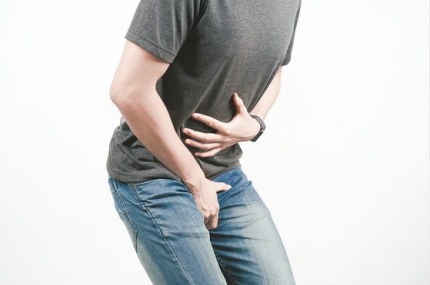
Hernia (탈장) literally refers to the displacement of internal organs from their normal position. It describes a phenomenon where organs protrude or are pushed out through other tissues. It mainly occurs when the abdominal wall is weakened and cannot withstand intra-abdominal pressure. The more intense activities one engages in, the higher the risk of hernia. Above all, it is important to be cautious of situations that excessively strain the abdomen. Especially when physical activity is excessive, intra-abdominal pressure rises rapidly. Repeatedly experiencing this condition can cause cracks in the abdominal wall, making it easier for parts of the intestine to detach.
Hernias can occur anywhere the abdominal wall is weakened. Among them, inguinal hernias, which occur in the groin area, are the most common. In this case, when coughing or having a bowel movement in daily life, part of the groin swells. The protruding area becomes more prominent when standing for a long time and disappears when lying down. Therefore, it is easy to neglect it unintentionally. In the early stages, there is almost no pain, making it difficult to detect a hernia. However, if the hernia worsens, the problem becomes more serious. It can cause severe pain and bleeding, and improper blood circulation may lead to intestinal obstruction or necrosis. If the abdomen or groin protrudes suddenly, it is advisable to suspect a hernia and visit a hospital.
Hernia is a structural problem. Since it involves changes in the shape of the abdominal wall, surgical treatment to correct the hernia is necessary. Hernia repair surgery uses an artificial membrane (mesh) to cover the defect in the abdominal wall and return the displaced organs to their proper place. In the past, open surgery involving an incision in the skin of the affected area was performed, but recently, minimally invasive surgeries using laparoscopy or robotics are used to correct hernias. Even after surgery, hernias often recur. It is important to pay attention to prevention through daily lifestyle habits. To avoid hernias, the abdominal muscles should be gradually strengthened. Moderate exercises such as walking or yoga are most suitable. Before exercising, perform sufficient stretching to relax the muscles. When doing high-intensity exercise, maintain proper posture and breathe while minimizing internal abdominal pressure. When lifting objects, use the muscles of the limbs as much as possible to reduce tension in the abdomen. Efforts to prevent constipation are also necessary. Consume plenty of whole grains, such as brown rice and cabbage, as well as vegetables and fruits rich in fiber.
Herniated discs are a chronic condition created by the passage of time. The intervertebral disc, located between the vertebrae, becomes damaged or ruptured, causing internal material to protrude. The intervertebral disc acts like a spring, absorbing shocks. The central part contains a gel-like nucleus, but as one ages, the water content in the nucleus decreases, reducing the elasticity of the disc. This is why herniated discs are classified as degenerative diseases. In younger individuals, disc rupture often occurs suddenly due to trauma or accidents. Overweight, obesity, and poor posture also contribute to disc herniation. When external stimuli are applied to the spine, the soft cartilage of the intervertebral disc is pushed outward, losing its proper position. Ultimately, the herniated disc compresses nerves, causing pain.
Cervical disc herniation (neck disc) mainly causes pain in the neck, shoulders, arms, and fingers. If you feel a tingling sensation as if electricity is reaching your fingers, you should suspect a neck disc. In such cases, numbness in the hands may be accompanied by shoulder pain and stiffness in the back of the neck. Lumbar disc herniation (lower back disc) is often accompanied by lower back pain and radiating pain that causes numbness in the legs. Patients may also complain of weakness in the legs. Especially if there are symptoms of bladder or bowel dysfunction and paralysis, it could be a sign that the spinal cord nerve is compressed. In such cases, it is advisable to visit a hospital promptly and undergo an accurate diagnosis through spinal MRI.
Treatment methods vary depending on the severity of the patient's pain. If there is no severe disc damage or pain, conservative treatments such as medication and light physical therapy are initially performed. In most cases, symptoms improve after 4 to 6 weeks at this stage. Surgery is required in about 10% of all patients. If conservative treatments are ineffective, surgical options can be considered. Proper posture is the most important factor in preventing disc herniation. Sitting with a slouched posture or sitting cross-legged on the floor for a long time puts strain on the lower back. When sitting in a chair, keep your back straight and shoulders relaxed. Bending forward to lift heavy objects is also not advisable. When lifting heavy items, bending your knees and using your leg muscles can help. When lying down, placing a cushion under the knees can relax the lower back. Choose a pillow that is not too high to minimize pressure on the cervical disc.
Pelvic organ prolapse is also well known as "a disease where the bottom falls out." It is a condition where pelvic organs such as the uterus, bladder, and rectum protrude outside the vagina. It occurs when the muscles supporting the pelvis become lax. There are various factors that can trigger it. In particular, childbirth and aging are considered major factors that reduce the elasticity of pelvic structures. The more difficult the childbirth process and the older the age, the easier it is for organs to displace due to loss of elasticity. Ultimately, any woman is at risk of pelvic organ prolapse. When the pelvic organs sag downward, various symptoms appear. Urinary incontinence, uterine prolapse, cystocele, rectocele, fecal incontinence, pelvic pain, and sexual intercourse pain can occur simultaneously.
Pelvic organ prolapse is a condition that significantly affects quality of life. Treatment should restore the normal structure of the pelvic organs. If symptoms are mild, Kegel exercises can be attempted, but if the condition progresses, surgical treatment becomes unavoidable. Surgery involves fixing the protruding organ to the internal ligaments or tendons, or inserting and pulling up artificial ligaments. To prevent pelvic organ prolapse, activities that put a lot of strain on the lower abdomen should be avoided. Be especially cautious with frequent heavy lifting, carrying heavy objects, playing badminton, table tennis, or doing sit-ups. These activities tend to push the lower abdomen outward repeatedly. The best exercises are walking or swimming.