


Do I have to take hypertension medication until I die?
The most common symptom of high blood pressure is often the 'asymptomatic' case, where there are no specific symptoms.
The response to this is, "Not until death, but you need to keep taking it to stay healthy during your lifetime."
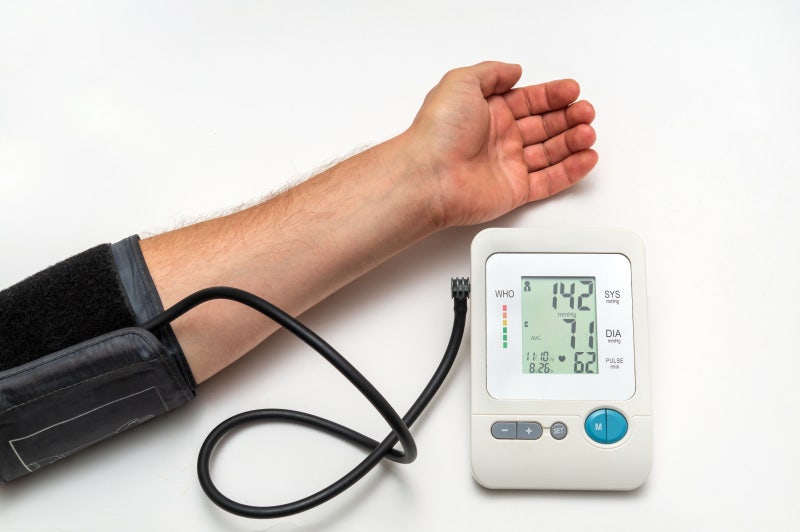
Generally, hypertension refers to a systolic blood pressure of 140 mmHg or higher or a diastolic blood pressure of 90 mmHg or higher. Diagnosis begins with accurate blood pressure measurement, and the following precautions must be observed to measure blood pressure correctly.
Do not smoke or consume caffeine for 30 minutes before measuring blood pressure.
Blood pressure measurement should be taken after at least 5 minutes of rest.
Sit back and cross your arms, then raise them to the level of your heart.
Weight loss
Excessive weight is directly related to an increase in blood pressure. Overweight individuals are at increased risk not only for hypertension but also for diabetes and hyperlipidemia. In hypertensive patients who are more than 10% overweight, losing just 5 kg can lead to a reduction in blood pressure. Therefore, in overweight hypertensive patients, a minimum weight loss of 5 kg is initially recommended, and further weight loss should be determined based on their condition and response.
Increase in momentum
Exercising moderately for about 30 to 45 minutes, more than 4 to 5 times a week, such as brisk walking, can help lower blood pressure. In fact, this level of exercise is known to be more effective in reducing blood pressure than more intense exercise, and it is recommended to adjust the amount of exercise depending on the presence of comorbidities.
Restriction of salt intake
It is well known that excessive salt intake contributes to increased blood pressure. The goal of salt intake restriction is to consume less than 6 grams of salt per day.
Moderation of alcohol consumption
Excessive alcohol consumption not only raises blood pressure on its own but also diminishes the effectiveness of antihypertensive medications. Drinking less than three standard drinks per day (30g of ethanol) is known to reduce the risk of coronary artery disease, but drinking more than that is closely associated with the prevalence of hypertension in the general population.
Proper dietary therapy
People who mainly follow a vegetarian diet tend to have lower blood pressure than those who mainly consume meat, and a plant-based diet is known to lower blood pressure in hypertensive patients. Increasing the intake of fruits, vegetables, and fiber, while reducing saturated fat intake, is known to help lower blood pressure, so it is advisable to maintain such a diet consistently.
Quit smoking
Smoking not only raises blood pressure on its own but also is a strong risk factor for cardiovascular diseases. Any form of smoking must be strictly prohibited, and quitting smoking is essential for those with hypertension.
Hypertension itself often does not cause noticeable symptoms in patients, and many people hesitate to start treatment or voluntarily stop treatment midway due to the burden of having to continue treatment for a lifetime. Moreover, various misconceptions about hypertension treatment are widespread, which hinder proper management of the condition.
Currently, a wide variety of antihypertensive medications have been developed to effectively treat high blood pressure, and detailed guidelines for blood pressure management in various situations have been established. Therefore, ongoing treatment of hypertension is essential to prevent serious cardiovascular diseases.
Source: Dongguk University Ilsan Hospital Cardiology Department, Professor Kim Ji-hyun

12K people are talking about high blood pressure right now

5.2K people are talking about hyperlipidemia right now