

이재철
저도 슬슬 무릎에 관심 가질 나이인데 무릎에 관한 질병및대처법 많은 도움이되네요


Install the Cashdoc app
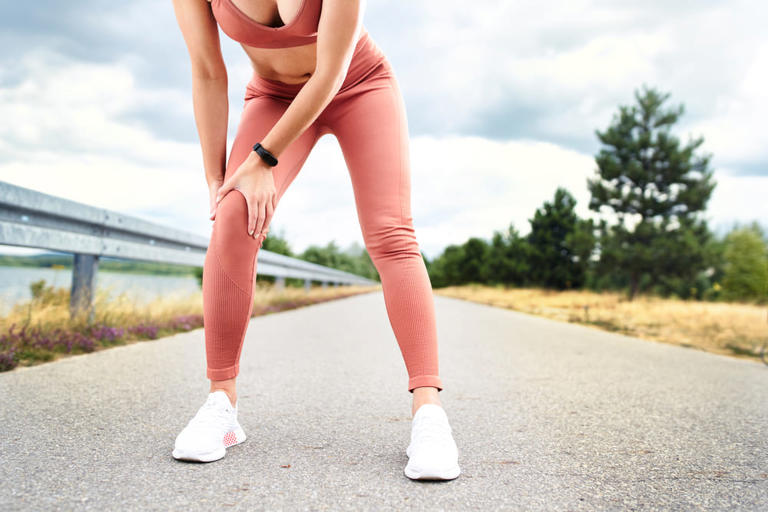
Knee pain is a common occurrence among older adults. However, recently, a growing number of younger people are complaining of knee pain due to strenuous exercise like running or golf. If knee pain persists without a specific cause, you should consider chondromalacia patellae. Let's learn about the symptoms and prevention methods of chondromalacia patellae.
◇Cartilage weakens and becomes damaged
coffin Articular cartilage acts as a shock absorber, allowing bones to move smoothly and without friction. Chondromalacia, a condition in which the normally firm cartilage softens or weakens, occurs most frequently in young adults, particularly women. It progresses from simple swelling to cracking and damage throughout the cartilage.
The most common symptom of chondromalacia is dull pain and numbness in the front of the knee joint.
Especially when ▲standing up after sitting in one place for a long time
▲When going up and down stairs
▲The pain gets worse and you feel stiff when you kneel or squat.
Also, when I move my knee, I feel something catching and sometimes I hear a clicking sound when I bend my knee.
◇Excessive dieting may be the cause
Chondromalacia can occur after trauma to the kneecap cartilage, such as a severe blow to the knee, fracture, or dislocation. However, chondromalacia does not always occur after trauma.
It can also occur in structural abnormalities of the knee and femur, such as when the leg is bowed outward, or when a meniscus injury impairs the movement and stability of the kneecap. It also occurs more frequently in young people with low muscle mass who engage in excessive exercise and dieting to lose weight.
◇Avoid habits that put strain on your joints
Mild cases of chondromalacia are treated with medication, physical therapy, and rehabilitation exercises. Rest for two to three months is recommended to reduce pain and inflammation and strengthen the muscles surrounding the joint. However, if conservative treatment is ineffective and the shape or alignment of the patellofemoral joint is abnormal, surgery may be considered. This involves making a small incision less than 1 cm in diameter in the knee, and then inserting a 3 mm arthroscope equipped with a special lens and a miniature camera into the knee cartilage. This allows for direct visualization of the knee, removing the affected cartilage, and smoothing the patellar joint surface.
Preventing chondromalacia is paramount. Avoid lifestyle habits that strain the knee joints. Avoid squatting or sitting cross-legged, as these can put stress on the knees. Hiking, climbing stairs, and running are also not recommended, as they can strain the knees. Instead, consider walking on flat surfaces, cycling on an exercise bike, or swimming. Furthermore, fatigue in the front thigh muscles can worsen patellar friction, so strengthening and stretching the thigh muscles is recommended.
==================================
The usual leg-crossing posture,
They say that the dad leg posture is very bad for your joints.
Sometimes, I hear a noise from my knees.
That's the sound of cartilage weakening.