

훔
저는 그래서 물티슈나 키친타올에 에탄올 뿌려서 써요
일회용 사용 줄여야 하는데 헹주가 왜이렇게 찝찝한지..
전자렌지 돌리면 살균 되는거 맞네요
근데 왜 전자렌지 안이 오염되어있다는 기사도 있는지


Install the Cashdoc app
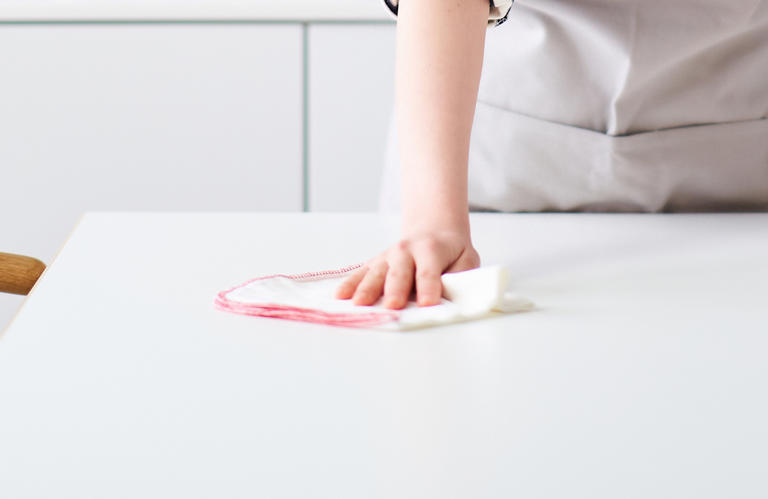
Dishcloths are used daily in the kitchen for cleanliness, but they are often not properly maintained. Continuing to use dishcloths that harbor bacteria can lead to food poisoning and may actually be harmful to health. How should dishcloths be properly managed?
Be cautious of habits that increase the risk of bacterial growth on dishcloths. A study presented at the 2018 Annual Meeting of the American Society for Microbiology found that among 100 dishcloths used over a month, 49 were contaminated with bacteria such as Escherichia coli and Staphylococcus aureus, which can cause severe food poisoning. It was also observed that bacteria proliferate more when dishcloths are used for various purposes or kept in a damp state.
If a wet cloth is left at room temperature, harmful bacteria begin to multiply after 6 hours, and their numbers increase a millionfold after 12 hours. Especially during the summer months like now, bacteria reproduce even more rapidly, requiring extra caution. It is advisable not to leave the cloth hanging on the faucet or sink after use and washing, without drying it.
It is also advisable to refrain from using a single dishcloth for multiple purposes. Dishcloths are used for a variety of tasks, including wiping tables, cleaning kitchen tools, drying dishes and utensils after washing, wiping hands during cooking, and removing blood and moisture from food ingredients. However, not many people distinguish and use dishcloths according to their specific purposes. Continually using contaminated dishcloths can easily expose cooking tools and kitchen utensils to bacteria. According to data from the World Health Organization, approximately 25% of food poisoning cases are caused by secondary infections resulting from bacteria transferred via cooking tools.
To use dishcloths safely, washing and disinfecting are essential. Many people rinse them with water, but even after rinsing more than three times, most bacteria remain. Therefore, it is recommended to either ▲boil the cloth in water at over 100 degrees Celsius for at least 10 minutes once a day, or ▲place it in a microwave after thoroughly soaking in water and heat for more than 8 minutes, or ▲soak it in detergent (such as bleach) for over 30 minutes. According to a study by a research team at the University of Florida, heating contaminated dishcloths in a microwave killed over 99% of bacteria within just 2 minutes. However, even disinfected dishcloths must be dried thoroughly before storage. If managing cloths is difficult, using disposable dishcloths or towels that can be washed a few times and then discarded is also an option.
<Source: Health Chosun>