

김수영
오 좋은정보네요 ㅋ
잘보고가요


Install the Cashdoc app
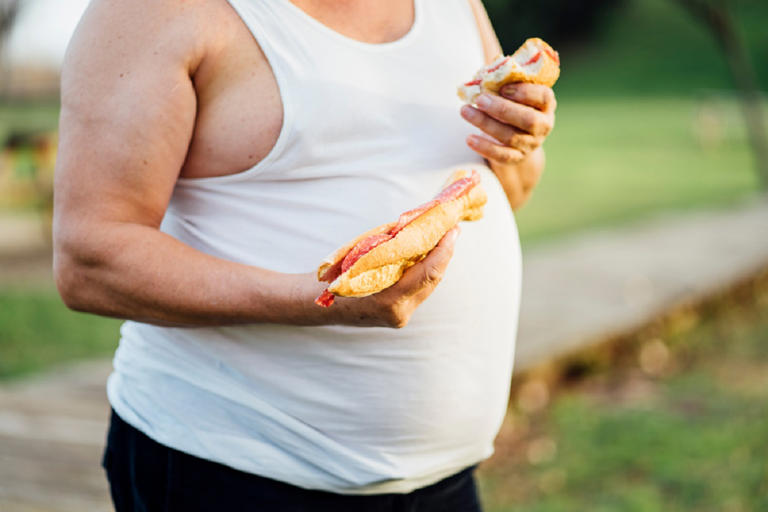
Even people who didn't need to diet when they were younger often find themselves needing it as they reach middle age. This is because it's easier to gain weight than in your 20s or 30s. Why?
As you approach your 40s, sex hormones and growth hormones decline, making it difficult to maintain weight. This is because testosterone, the male hormone, promotes muscle development, and growth hormone also aids muscle synthesis. As you age, muscle mass decreases, leading to a lower basal metabolic rate. Reduced physical activity also contributes to this decline.
Middle-aged and older adults are prone to sarcopenic obesity, a condition characterized by significantly lower muscle mass relative to body fat. Sarcopenic obesity can lead to cardiovascular disease, arthritis, herniated discs, and urinary incontinence, so it's crucial to maintain a healthy weight.
To lose weight in middle age, it's better to engage in frequent, low-intensity exercise rather than occasional high-intensity workouts. Excessive, repetitive high-intensity exercise can actually cause problems with blood pressure and joints. A good ratio of 70:30 is a combination of light aerobic exercise and strength training. A good approach is to walk briskly enough to break a sweat or use exercise equipment like an exercise bike for 40 minutes daily.
Afterwards, it's a good idea to do strength training for 20 minutes, such as using a resistance band or sitting and standing against a wall. Strength training increases your basal metabolic rate, which aids in weight loss, so don't skip it, even if it's inconvenient. It's also important to warm up your body with calisthenics or stretching before and after exercise.
Warming up gently loosens muscles and improves blood circulation, reducing the risk of injury. Cooling down helps gradually return breathing, blood pressure, and other body functions to their pre-exercise levels.
It's also important to make an effort to increase your daily exercise. Develop habits like taking the stairs instead of the elevator and walking short distances whenever possible. Aim for six to eight hours of sound sleep each night to boost your metabolism and expend energy. Stretching for five minutes immediately after waking up stimulates your muscles and internal organs, boosting your metabolism. A foot or half-body bath in water at 38 to 40 degrees Celsius at the end of the day can also be beneficial.
Even better, consider adjusting your diet. Reduce your intake by about 500 calories, but include protein sources like beans or tofu with each meal. Weight loss also leads to a decrease in bone density, so increase your calcium and mineral intake to maintain healthy bones.
If you can't seem to lose any of that extra weight, try increasing your basal metabolic rate (BMR) like this. © Provided by: Health Chosun