

담율로
요즘 당뇨병이 엄청나게 많아요
진짜 진짜 관리잘해야 할거같아요


Install the Cashdoc app
I'm curious!
I am a 66-year-old man. I was recently diagnosed with diabetes.
There are no other complications; blood sugar is being controlled solely through diet and exercise.
I have an average fasting blood sugar of 100-116 and an HbA1c of 6.5%. I am wondering if it is good to take diabetes medication.
Please also tell me the normal blood sugar levels for the elderly.
Q. Should I take medication for diabetes?
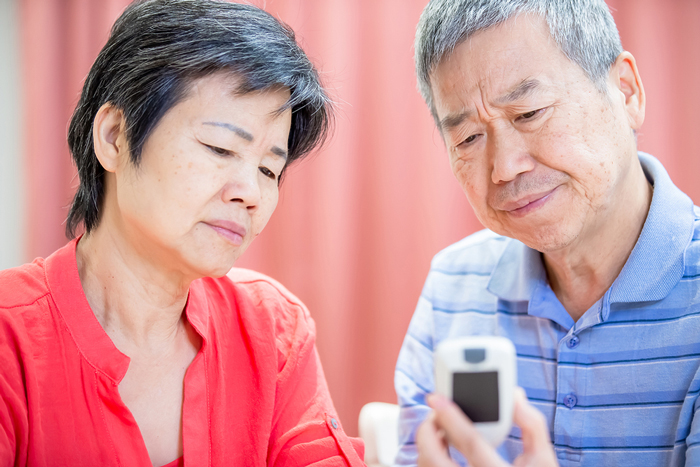
<Advice_Fixed by Professor of Endocrinology and Metabolism at Haeundae Baek Hospital>
A. Carefully manage your lifestyle habits and closely monitor blood sugar fluctuations.
In the case of the person who asked the question, the initial test showed a hemoglobin A1c of 6.5%.
We can prioritize lifestyle habit management and observe the progress.
If blood sugar and HbA1c levels show an increasing trend in subsequent regular tests, consider prescribing medication at that time.
It's good to hear that you've started managing your lifestyle habits even though medication prescription isn't immediately necessary.
Analyze eating habits with medical staff or professional dietitians and receive appropriate dietary education.
Try to manage your blood sugar levels through lifestyle habit adjustments.
How thoroughly you manage it depends on your health condition.
Koreans tend to consume a high amount of carbohydrates.
In the elderly, the proportion is even higher, with more than 70% of total meals consisting of carbohydrates.
Moreover, many elderly people are unable to properly regulate their meals due to issues such as ▲digestive dysfunction ▲dental problems ▲economic and environmental issues.
Professional meal assistance is very important. Therefore, be sure to seek professional help at least once.
The general blood sugar control target for diabetic patients aged 65 and older is below 7.5%.
However, at this time, age is only a reference value, and the patient's health status and degree of frailty should be evaluated together.
It is advisable to discuss thoroughly not only with the patient but also with the guardian before deciding on blood sugar control goals.
Ordinary elderly patients are more likely to suffer from other chronic diseases or difficult-to-recover functional impairments in addition to diabetes.
The goal is to improve quality of life and prevent symptoms caused by the disease or acute complications, rather than aggressive blood sugar management.
Both hypoglycemia and hyperglycemia should be watched carefully.
Elderly patients may recognize hypoglycemia symptoms more slowly than patients of other age groups, leading to a delayed recovery that can be fatal.
It is good to measure your blood sugar regularly or to try using a continuous glucose monitor at least once to understand your blood sugar patterns.
Reporter Choi Ji-woo cjw@chosun.com