

sun flower
제가 좋은 꿀을 먹고 있었군요.
요리에도 설탕이 아닌 아카시아꿀 넣거든요.
아카시아꿀에 대한 정보감사해요.


Install the Cashdoc app
Rural Development Administration, Research on the Nutritional Value and Efficacy of Acacia Honey
Rich in vitamins and has strong antimicrobial activity against Helicobacter pylori.
Misnamed as 'Acacia Honey'... should be corrected to 'Akasashi Honey'
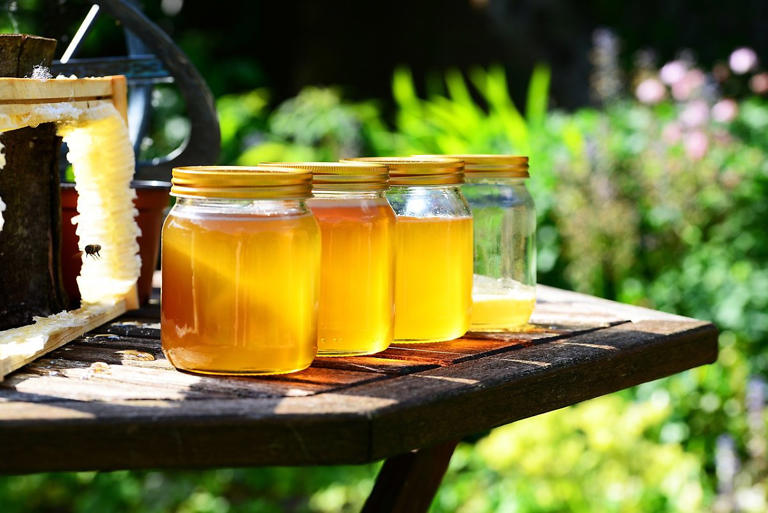
The Rural Development Administration (Administrator Jo Jae-ho) plans to continuously promote domestically produced acacia honey by exploring its nutritional value and efficacy, as well as providing accurate information related to acacia honey.
Acacia honey, which accounts for 70% of the honey produced domestically, has a distinctive aroma and is a popular honey with high consumer preference.
Domestic acacia honey, unlike sugar, is composed of monosaccharides glucose and fructose, which are absorbed quickly and help relieve fatigue. Additionally,
Vitamins B1 and B2, as well as the B complex vitamin niacin, along with beneficial minerals such as calcium, copper, iron, potassium, magnesium, manganese, sodium, phosphorus, zinc, and sulfur, are contained in the body.
It has been confirmed that there are 17 amino acids, including proline and aspartic acid, which make up proteins.
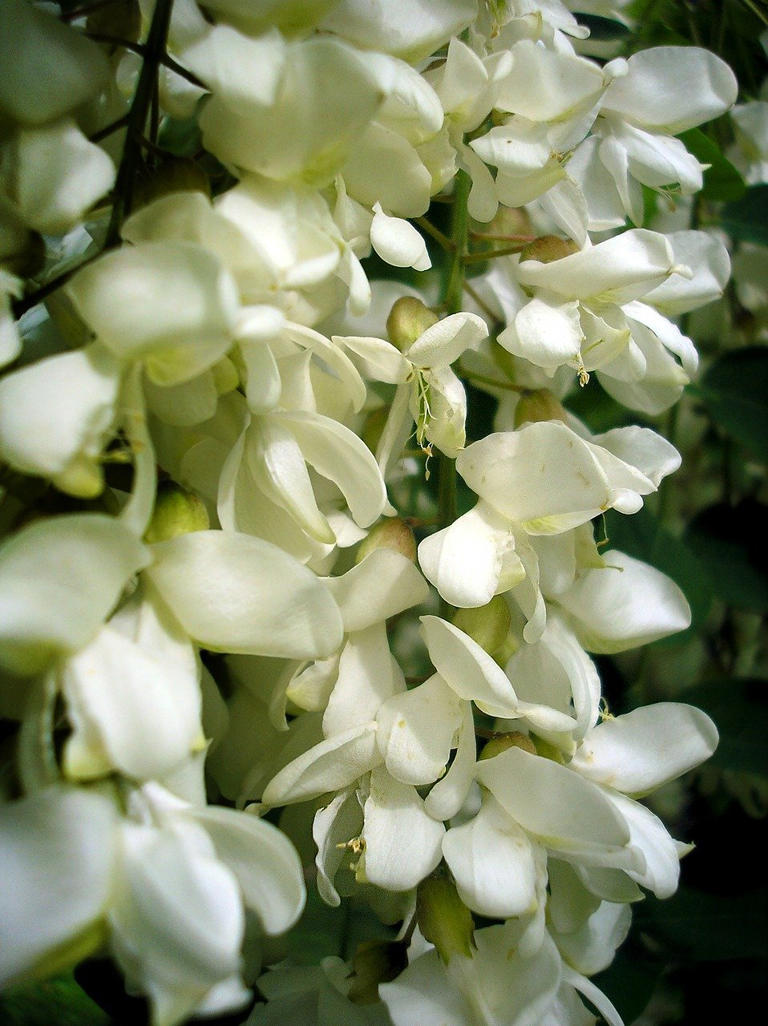
The Rural Development Administration has previously discovered that domestically produced acacia honey inhibits Helicobacter pylori bacteria, which is known as one of the factors in the development of gastritis, gastric ulcers, and stomach cancer.
This is due to abscisic acid contained in domestically produced acacia honey. On average, 1 kg of domestically produced acacia honey contains 24 milligrams (mg) of abscisic acid. In other types of honey, only very small amounts of abscisic acid have been detected or none at all.
Additionally, acacia honey is produced overseas in countries such as Slovenia, Italy, Romania, Hungary, and Bulgaria, but the average content of absisic acid in the honey is only about one-third that of domestically produced acacia honey.
Meanwhile, the commonly known 'acacia tree' and 'acacia' are different species, and the 'acacia honey' we consume comes from the acacia tree. The scientific name of the acacia tree is 'pseudoacacia,' meaning 'false acacia,' and it was first introduced to Korea in the 19th century.
After the Korean War, through large-scale forest reclamation projects, trees were extensively planted in the mountains, and the meaning of 'pseudo-' was omitted, leading to it being called acacia.
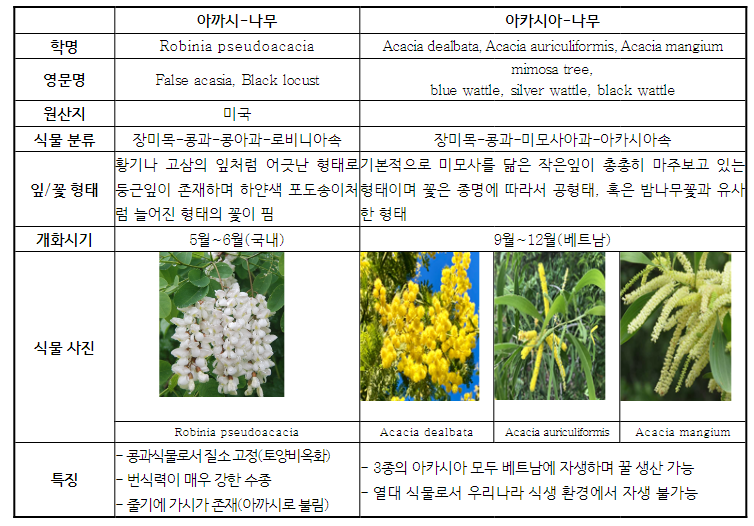
However, with the signing of the Korea-Vietnam Free Trade Agreement (FTA) and the import of honey produced in Vietnam, there is a concern that Vietnamese acacia honey and domestically produced acacia honey may be confused, so accurate terminology is necessary.
The Rural Development Administration is continuously discussing with related organizations such as the Korea Beekeeping Association and the Ministry of Agriculture, Food and Rural Affairs to unify the terms acacia honey and acacia honey, which have been used interchangeably, under the term acacia honey derived from nectar plants.
Director Lee Sang-jae of the Rural Development Administration's Agricultural Biological Department stated, "We will correct incorrect information related to acacia honey and provide accurate, research-based information to prevent consumer confusion."
He said, "When giving acacia honey to a loved one, I hope you also share accurate information about our acacia honey."
Photo = Pixabay© Provided by Viewers
Comparison data between acacia tree and acacia tree = Rural Development Administration © Provided by Viewers