Cashdoc unified search page
3,230 search results for 서울시력교정
Hospital events 10 items
View more
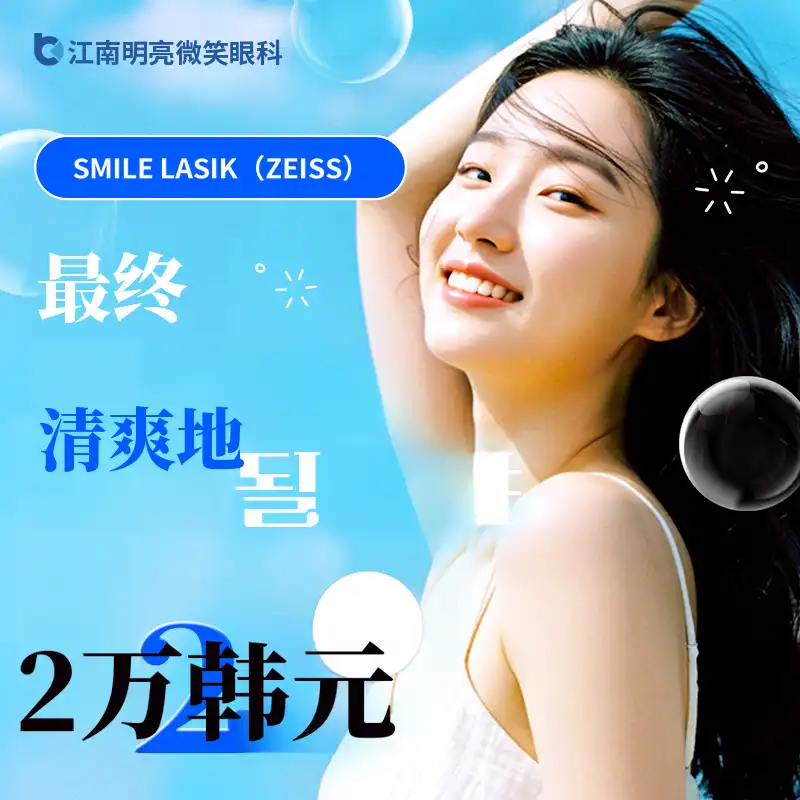
Discount rate44% Event price₩2,220,000Regular price₩4,000,000 Gangnam Bright Smile Eye ClinicSeoul Q&A 11Views 302,283
5163 reviews
159
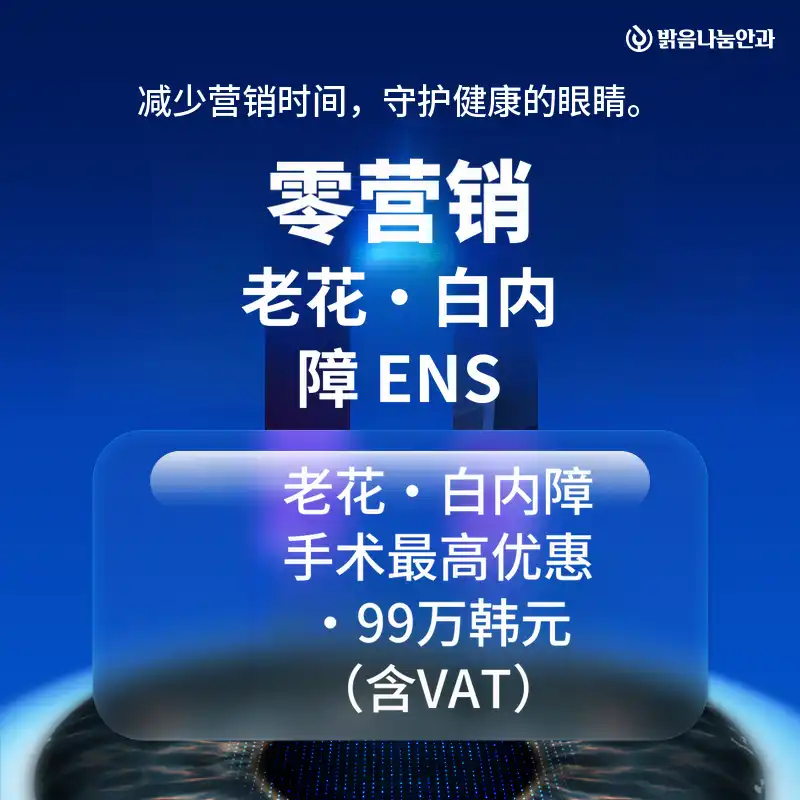
Restore your youthful vision with presbyopia cataract surgery
Event price₩990,000 Bright Sharing Eye Clinic Gangnam BranchSeoul Q&A 5Views 126,355
5316 reviews
359
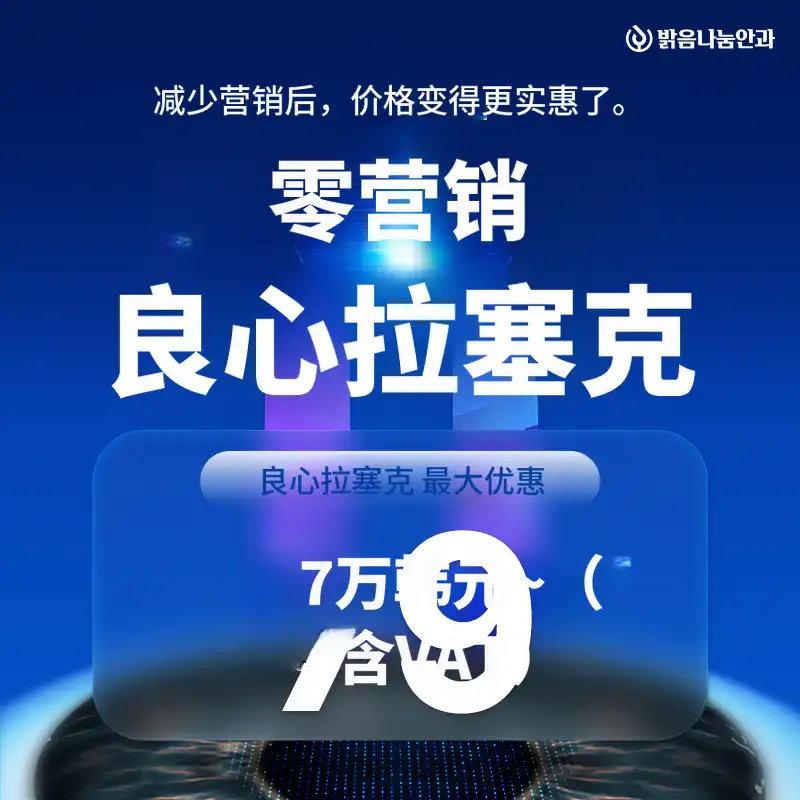
Vision Correction Special Event 79
Discount rate43% Event price₩790,000Regular price₩1,400,000 Bright Sharing Eye Clinic Gangnam BranchSeoul Q&A 0Views 1,631
5316 reviews
14
Clear Seoul Eye Clinic Lens Insertion Surgery Maximum Benefits
Discount rate13% Event price₩3,900,000Regular price₩4,500,000 Clear Seoul Eye ClinicSeoul Q&A 5Views 210,833
5355 reviews
128
Hospital reviews 19 items
View moreClear Seoul Eye Clinic
I had smile LASIK and was concerned about presbyopia, so I sought a consultation. Thank you for the kind advice.
24.07.07 Clear Seoul Eye Clinic
My parents recently underwent multifocal intraocular lens insertion surgery for presbyopia at Clear Seoul Eye Clinic, and the results were great. They used to say their vision was cloudy, as if it was shrouded in mist, making it uncomfortable for them to read close-up as well as distant objects. Constantly searching for reading glasses was also a huge source of stress. The surgery was performed using an all-laser vision correction procedure, conducted 100% with lasers and without any blades. Knowing that the entire process was done with lasers gave me peace of mind. After the surgery, they were delighted to see small print clearly. They mentioned that their quality of life has greatly improved. They had been struggling with presbyopia, but they are very satisfied with the safe procedure.
25.12.11 Clear Seoul Eye Clinic
I became interested in vision correction surgery (laser vision correction) and, after researching online and comparing various information, decided to inquire about hospitals myself. I had a phone consultation before the procedure, and the attending physician kindly and thoroughly explained all aspects, including the surgery process, expected costs, recovery period, post-operative precautions, and pain management methods, making it easy to understand. During the consultation, I was able to ask all my questions, and the doctor answered them diligently, which gave me peace of mind. Even just through the phone consultation, I could feel the hospital's professionalism and reliability, and the kindness of the staff was also evident. I haven't undergone the surgery yet, but I was satisfied with the consultation experience and plan to carefully decide whether to visit the hospital for the procedure in the future.
26.01.12 Jamsil Seoul Bright Eye Clinic
I visited for vision correction, and I'm thankful.
25.08.31
Community 3,160 items
View moreI underwent lens implantation surgery for vision correction at Seoul Bright World Ophthalmology Clinic![10]
First, I will provide verification from the actual payment receipt, excluding only the card portion... The price was a bit higher than I expected, but I am really satisfied after getting the procedure. I usually wear glasses, and after hearing reviews about LASIK, I was actually planning to get the procedure myself, but when I actually went for a consultation, they recommended lens implantation instead. I felt a strong aversion to putting something in my eyes, so I was a bit hesitant, but As stated on the hospital website, they explain everything step by step and make recommendations, so I looked up some reviews and it seemed good, so I decided to get the procedure. I feel like I can comfortably go around without my glasses now and have fun haha. There were no major side effects, and I got used to it quickly, so it is one of the procedures I think I did well. The best thing is that it involves inserting a lens rather than cutting into the cornea, so you can remove it at any time and switch to the other side. The fact that it had few side effects was appealing, and the real advantage was being able to recover in just one day and return to daily life. It is the same.
쿠보26.04.23Views 108Likes 1 Clear Seoul Eye Clinic's vision correction surgery review is helpful.[10]
My eyesight suddenly seemed to have deteriorated, so I went to the ophthalmologist. I was looking into presbyopia and vision correction surgery. The head of the hospital personally performs the surgery. In cases like laser vision correction surgery, it is said that more than 20,000 cases have been performed. Honey, my faith and trust are definitely increasing. It seems like they have a lot of cutting-edge equipment. I like the hospital because it looks clean and comfortable. The reviews all seem good, and there are many compliments for the medical staff. https://cashdoc.me/hospitalevent/eventdetail/5173
ㅇㅅㅇ24.07.09Views 439Likes 2 (Seoul Saei Dental Clinic) A review of deciding to get braces again after much deliberation, even though I originally didn't intend to.[7]
I had braces a long time ago, but over time, my teeth have started to shift slightly again. In particular, my lower teeth move unevenly, and I can see that they are significantly misaligned even without opening my mouth wide. Even though I knew my teeth were misaligned, I didn't want to get braces again at first. As anyone who has had braces knows, first of all, the process is too long! It's painful, and since you have to visit the dentist every month, it's not easy to do it again. I was hesitant because of the cost and the thought of having to wear braces for a few more years. Honestly, it was stressful having to do it again after already struggling for several years. I kept worrying about it, but then I ended up visiting my regular dental clinic for a check-up. The director, who has known me for a long time, recommended re-correction during the check-up. It is a hospital that my whole family, including myself, visits together. The director adjusted the cost and gave me a detailed consultation on how things could change after the correction. Actually, I also felt that my teeth were crooked, but My mind changed when the doctor at the hospital recommended orthodontic retreatment first. The hospital is a place called Saei Dental Clinic in Seocho-gu, Seoul. This dental clinic specializes in orthodontics, so it only provides orthodontic treatment. That shows just how confident and sincere the director is about orthodontics! First of all, when I had my orthodontic retreatment, I had partial retreatment only on my lower teeth, rather than full correction of both upper and lower teeth. They suggested setting the timeframe at about one to one and a half years. Since it took me a whole three years to get braces the first time, I thought I could easily endure about a year and a half, so the duration wasn't a big burden for me. Bracket attached (Lower teeth are misaligned and scraped to the left) Since orthodontic treatment is performed while monitoring tooth movement, it is not done with a fixed duration. Once I actually started the orthodontic treatment, it took a bit longer than expected. The re-correction took two years. I have a jaw joint problem, so it took me a little longer. Looking back now Honestly, at first, I was a bit stressed because the orthodontic treatment period kept getting longer, but Now that my braces are finished, I feel like I made the right decision to do it. After re-correction My teeth became straight again after the re-orthodontic treatment, so it was worth the effort. You can clearly see the difference just by looking at the photos. True to its reputation as an orthodontic specialist, Saei Dental Clinic successfully completed the retreatment as well! I felt so relieved after doing it, and I didn't have any stress since I didn't have to constantly check my crooked teeth. My orthodontic treatment was successfully completed, so I continue to visit Saei Dental Clinic regularly for checkups. In fact, even if orthodontic treatment is completed successfully, the teeth may shift somewhat over time, causing the alignment to become slightly misaligned. Those of you who, like me, have severely misaligned teeth will likely be very self-conscious because you have already undergone orthodontic treatment. So, I expect there are many people considering re-correction. Based on my personal experience, if partial correction is possible rather than full correction and your gum condition is not bad, I would cautiously recommend retreatment!
AA26.05.28Views 48Likes 0 I looked into eyelid correction at ID Hospital in Gangnam, Seoul.[11]
An acquaintance because of their eye shape I heard that you received a consultation at ID Hospital. I was impressed that they checked the strength of the eye opening first, rather than the double eyelid line. You explained the difference between cases where eye shape correction is necessary and cases where it is not strictly required. The counseling itself was calmer than I expected.
영선이26.05.19Views 58Likes 1
Expert columns 35 items
View more[Health Column] Orthodontic Extraction vs. Non-Extraction: Is Extraction Always Necessary? A Summary of Criteria, Pros, and Cons[3]
hello, Director Jo Byeong-ju of Shine Orthodontics no see. 👋 There are certain questions that people considering orthodontic treatment ask most frequently in the consultation room. These are inquiries mixed with concern, such as, "Do I really have to have teeth extracted?" and "Can a protruding mouth be corrected with non-extraction orthodontics?" There is a lot of information on the internet claiming that non-extraction is always better or that extraction drastically changes one's face, which further confuses patients. However, actual orthodontic treatment is not determined solely by whether or not to extract a tooth, Comprehensive diagnosis of tooth alignment, facial shape, degree of space shortage, etc. You must do it. In this column, I will explain the true differences between extraction and non-extraction orthodontics and provide clear selection criteria in an easy-to-understand manner. I hope this helps you find the right treatment direction for you! ✨ 1️⃣ What is the most important key point regarding tooth extraction versus non-extraction in orthodontic treatment? 📐 The essence that determines the success or failure of orthodontic treatment lies in 'securing space' to move the teeth. For both extraction and non-extraction orthodontics, the key to the treatment outcome is how much space can be secured to properly align the teeth. This is because only when adequate space is secured in our mouth can we use it to push a protruding mouth inward and straighten crookedly overlapping extra teeth. Generally, when performing extraction orthodontics Premolars (small molars) with a width of about 7 to 8 mm You will gain that much extra space by extracting the tooth. On the other hand, with the recent development of various orthodontic devices non-extraction By utilizing every possible means to the fullest extent through orthodontics, it has become possible to create space comparable to that of tooth extraction. Representative techniques for creating space without tooth extraction include Arch expansion (3~4mm) , Interdental reduction/IPR (3~4mm) , Posterior movement of molars (3~4mm) There are methods available, and by combining all of them, it is possible to secure about 9mm of usable space. < Case of Posterior Molar Movement > 📍 Example: If the space for tooth alignment is too narrow, resulting in severe crowding or a situation where a protruding mouth needs to be moved back significantly, securing space through premolar extraction can be a clear solution. However, if conditions allow for the precise application of non-extraction techniques, meaningful space can be achieved without extracting teeth. 📌 "Rather than relying solely on extreme online reviews and insisting on a specific method, it is essential to first undergo a precise dental diagnosis to determine the actual amount of space missing." 2️⃣ Can non-extraction space creation methods be applied equally to all patients? 📐 The three techniques for creating space without tooth extraction must be applied strictly and selectively based on the patient's oral and jawbone structure. The three methods for creating space for tooth movement through non-extraction orthodontics are excellent alternatives, but unfortunately, they cannot be unconditionally applied to all patients. This is because each patient has different anatomical characteristics. ① Expansion of the dental arch : This method is actually Limited use only for patients with a narrow jaw width You must do it. If this procedure is performed excessively on a patient with a normal jaw width solely for the purpose of widening the space, the overall occlusion may collapse or long-term stability after treatment may be significantly compromised. ② Interdental Reduction (IPR) : The side of the tooth Finely trim by 0.2~0.5mm It is a method of gathering the entire gap space. Generally, if the procedure is performed within 0.5mm per area, there are no problems with dental health, and it is advantageous to distribute the work evenly across multiple tooth surfaces rather than grinding down a large portion of a single tooth. If performed to the maximum extent on all areas, approximately 3mm of space can be obtained per side. ③ Posterior movement of molars This is a technique that creates space in the front by pushing the entire dentition backward. The most important thing here is Does there actually exist space within the bone for the molars to move backward? no see. In particular, a precise 3D diagnosis must be performed beforehand to determine if there is available space in the posterior area of the mandible (lower jaw). 📍 Example: If posterior movement is forcibly attempted on a patient who has absolutely no space to push the molars back due to structural limitations of the lower jawbone, the teeth may not move properly or side effects may occur. 📌 It is essential to receive a precise diagnosis from an orthodontist to determine whether arch expansion is necessary, or if the tooth structure allows for the safe application of interproximal reduction or posterior movement. 3️⃣ If you are on the borderline between extraction and non-extraction, what criteria should you use to make a decision? 📐 For borderline patients with a space shortage of 4 to 7 mm, the decision is made by comprehensively considering tooth shape, caries activity, type of appliance, and the patient's pain sensitivity. Based on the results of a precise examination, if the required space is significantly lacking by more than 9mm on each side, extraction is easily determined, while if it is slightly lacking by 4mm or less, non-extraction is recommended. The problem lies with 'borderline patients' who have a space deficiency of 4 to 7 mm. In this case, since both methods are possible, you must use the following five detailed criteria as a guide. ① Shape of the teeth: If the shape is close to a triangle, non-extraction treatment is much more advantageous. do. This is because it is shaped to fully utilize Interproximal Reduction (IPR), and the reduction can naturally reduce the 'black triangle,' the empty space between teeth. ② Number of prosthetics and dental caries (cavity) activity: If you have a lot of dental prosthetics in your mouth or an environment where cavities form easily, extraction orthodontics is actually better. This is because it is difficult to adequately perform interdental reduction, which involves finely grinding the sides of the teeth, in such an oral condition. ③ Type of calibration device used: Invisalign achieves arch expansion much faster, but traditional brackets (wire devices) perform molar posterior movement better. do. Therefore, even for patients who appeared capable of non-extraction posterior movement based on brackets, insisting on using Invisalign may actually lead to a situation where extraction becomes necessary. ④ Anatomical spatial limits: Regardless of whether wisdom teeth are extracted, it is necessary to determine how much bone space remains behind the molars that can actually be moved, and whether the jawbone is capable of accommodating arch expansion. If both non-extraction pathways are structurally blocked, it is advisable to choose extraction for a clean result. ⑤ Discomfort and pain felt by the patient: This is a point that many people misunderstand, In fact, the tooth extraction treatment itself is almost painless. In fact, arch expansion devices or posterior movement devices used in non-extraction orthodontics often cause greater discomfort and pain in the mouth. Therefore, if you prefer a slightly more comfortable and less cumbersome process during the orthodontic treatment period, we recommend tooth extraction. 📍 Example: If a borderline patient with square-shaped teeth and significant traces of cavity treatment finds it difficult to tolerate the pain and foreign body sensation of complex non-extraction devices, choosing to extract premolars rather than forcing a non-extraction procedure may be advantageous in terms of both the treatment process and the outcome. 📌 "When you are teetering on the edge, that is precisely when in-depth communication with medical staff truly shines. Please share your lifestyle and pain tendencies with the medical team in detail." 🔍 FAQ (Frequently Asked Questions) Q1. Doesn't interproximal reduction (IPR) cause significant tooth sensitivity during non-extraction orthodontics? A1. No, you don't need to worry too much. 🙅♂️ Common tooth sensitivity usually occurs when the neck of the tooth (cervical area) is worn down. During interdental reduction, the area that is ground down very finely is the outermost 'proximal enamel' region of the tooth, where sensory nerves are not distributed. Since the amount removed is also very minimal, you do not need to worry about side effects such as sensitivity. However, if not performed precisely, food particles can get trapped between the teeth, creating an environment where cavities (dental caries) are likely to develop, so the procedure must be performed accurately by a skilled specialist. Q2. After having wisdom teeth extracted, will space naturally form to push the molars back? A2. It is half right and half wrong. 💡 When extracting a wisdom tooth that has erupted straight into the mouth, available space is created to push the molars backward by utilizing that opening. However, for impacted wisdom teeth that are completely buried in the gum bone, simply extracting them does not automatically create space for the tooth to move. In this case, the limit of the practically usable posterior space is determined by the anatomical boundary between the soft tissue and bone behind the tooth, rather than the presence or absence of wisdom teeth. 📋 Conclusion Today, we have taken a detailed look at the key criteria for tooth extraction versus non-extraction, which is the biggest concern for those facing orthodontic treatment. Having operated an orthodontic clinic in Nowon for a long time and personally treated countless cases, there are certainly tricky cases where even I, as an expert, agonize deeply over which approach—extraction or non-extraction—will bring the most perfect results to the patient. This is because orthodontic treatment is a precise medical field that must encompass not only visible gaps between teeth but also the condition of the gums, the overall treatment duration, changes in facial shape, and even the anatomical limitations imposed by the appliance. ⚠️ Please make sure to remember this! 📌 Rather than blindly deciding on a treatment method based solely on rumors such as "non-extraction is better" or "extraction is faster," the first step is to thoroughly examine your precise diagnostic condition. 📌 The wise choice at the borderline may vary depending on the shape of your teeth (whether they are triangular), the activity of cavities, and your sensitivity to pain. Above all, the most important key to success is to accurately align your desired aesthetic and functional goals through constant communication with medical professionals, and for the doctor and patient to move forward step by step while looking toward the same goal. As this is a significant journey that determines your smile and dental health for a lifetime, I sincerely hope you find a trustworthy orthodontist to discover the right solution that fits your oral structure perfectly. 🦷 Shine Orthodontics Director Cho Byeong-ju Graduated from Seoul National University Graduate School of Dentistry / Doctor of Dental Surgery Catholic University of Korea Seoul St. Mary's Hospital Department of Orthodontics Intern / Resident Graduated from Catholic University of Korea Graduate School of Medicine with a minor in Plastic Surgery / Master of Medicine Visiting Professor, Department of Orthodontics, Catholic University of Korea Seoul St. Mary's Hospital Visiting Professor at CHA University Gangnam Hospital Invisalign Official Faculty Regular member of the Korean Association of Orthodontists (KAO) Member of the Korean Society of Clinical Orthodontists (KSO) 2019/2020/2021/2022 Awarded the Excellent Case Presentation by the Korean Association of Orthodontists
조병주 원장26.06.01Views 39Likes 3 [Health Column] Why Do Orthodontic Prices Vary by Dental Clinic? The Truth for a Regret-Free Choice 🦷💸[2]
hello! SmileD Dental Clinic, Chief Director Oh Su-hwan It is. 😊 Have you visited three or four dental clinics while considering braces? Some places charge 4 million won, others 7 million won... It just gets more and more confusing. 🤯 "Are you worried about being ripped off?" A practicing doctor will clear up that anxiety for you! 1️⃣ What is the real reason why orthodontic prices vary so widely from dental clinic to dental clinic? ✨ This is because orthodontics is not merely 'shopping,' but a sophisticated 'medical procedure' tailored to the patient's condition. Orthodontic treatment means more than just choosing a device. Just as construction costs vary depending on the ground conditions when building a structure, the difficulty of orthodontic treatment is determined by each patient's unique gum bone condition and tooth root length. 🔸 Key Points ✔️ Intrinsic difficulty of the case: The higher the difficulty of the case, the higher the cost. ⚠️ Risk of re-correction: If you only look for the cheapest option, your teeth may not move properly, and you might end up having to pay more for retreatment! 📌 Orthodontic treatment is not just a simple expense Medical practice The price difference is rooted in the medical staff's expertise and sense of responsibility. 2️⃣ How does the cost vary depending on which orthodontic device is selected? ✨ The price structure varies depending on the degree of exposure of the device, the manufacturing method, and the technical expertise involved. Orthodontic appliances are 'tools' used to move teeth. The type of tool used is a major factor in determining the cost. 🛠️ 🔹 labial correction — Attached to the outer surface of the teeth, the most popular and reasonable option 👍 🔹 Lingual braces — Attached to the inner surface of the tooth; cost 1.5 to 2 times higher due to advanced technology and custom fabrication. 🔹 Clear braces (Invisalign) — Detachable, aesthetically pleasing, includes digital simulation + global license fees 🔹 Why is lingual braces expensive? 🤫 Since the wire must be adjusted in the narrow space inside the tooth High level of proficiency of medical staff And a long treatment time is required. 🔹 Why is Invisalign expensive? 💻 Computer simulations are conducted based on 3D digital scan data, and of state-of-the-art materials Precision manufacturing of transparent molds This is because... ⚠️ Rather than the type of device The doctor's skill level and precision of diagnosis It has a greater impact on the treatment results. 3️⃣ What are the 3 criteria for finding the perfect orthodontic treatment for me? ✨ An expensive device is not necessarily the answer. My situation and the doctor's diagnosis are the most important! Here is a checklist of things to check before the numbers on the price list when choosing a dental clinic. 📝 1. Assessing Your Lifestyle 💼 If you have a job where you meet a lot of people, aesthetic Lingual braces or Invisalign This can help reduce stress. 2. Checking My Willpower to Treat 💪 You must adhere to the wearing time yourself to see results with Invisalign. If you dislike the hassle, the tooth-fixing Bracket correction This is actually a shortcut to shortening the treatment period! 3. Check the most essential 'precision diagnosis' 🔍 The device is merely a means; the result depends on the doctor's plan. 3D X-rays and scanners Make sure to check if it is a place that thoroughly analyzes your face and teeth. 📌 Ask "Why is this device suitable for my case at this dental clinic?", A dental clinic that explains clear evidence Please select . Frequently Asked Questions (FAQ) Q1. Should I avoid dental clinics that offer promotions with excessively low prices? It's not necessarily bad, but caution is required! ⚠️ Operating on a high-volume, low-margin basis makes it difficult for medical staff to focus on a single patient, and The attending physician may change frequently. Aftercare may be unstable. Q2. Can anyone use clear aligners? Although technology has improved and the scope has expanded, In cases of severe skeletal disharmony In this case, traditional wire orthodontics can produce more precise results. 🩺 Q3. What are the additional costs besides the proofreading fee? It varies from dental clinic to clinic, so be sure to check in advance! Monthly treatment fee, precise diagnosis fee, tooth extraction fee, screw implantation fee, retainer fee It is recommended to check whether items such as [etc.] are separate or included. ✅ Conclusion: A thoughtful choice for a smile that lasts a lifetime 🎯 The difference in orthodontic costs is not simply due to differences in material costs. Precisely analyzing the patient's condition The value of medical staff's efforts and sense of responsibility It contains. 💎 Rather than choosing based solely on the price, choose a design that will safely shape my precious smile Orthodontic specialist Please consult with them thoroughly. A careful choice determines your confidence for a lifetime! 😊 🔹 Summary of Management Points ✔️ Rather than price Specialist's proficiency Check ✔️ My Devices suited to lifestyle patterns Select ✔️ Precision diagnostic equipment Choosing a well-equipped dental clinic "Orthodontics is treatment, not shopping. Consult with a specialist to find the optimal plan just for you!" ✨ Smile D Dental Clinic Chief Director Oh Su-hwan Graduated from Yonsei University College of Dentistry Major in Orthodontics, Yonsei University Graduate School of Dentistry Specialist in Orthodontics certified by the Ministry of Health and Welfare Regular member of the Korean Association of Orthodontists Completed internship and residency in Orthodontics at Ewha Womans University Mokdong Hospital International member of the American Association of Orthodontists (AAO) International member of the World Federation of Correctional Organizations (WFO) Regular member of the Korean Association of Orthodontists Certified by the Korean Association of Orthodontists The medical content of this column is general Korean Association of Orthodontists This was written with reference to the Ministry of Health and Welfare's dental orthodontic treatment guidelines. . View more expert columns by Dr. Oh Su-hwan, Director of Smile D Dental Clinic 📎 [Expert Column] Clear Aligners: Wire-Free Orthodontic Treatment—Can It Really Be Unnoticeable? 📎 [Expert Column] No-Prep Dental Laminates: Is It Really 'No Prep'? A Summary of Key Points You Must Know 📎 [Expert Column] How to Restore Gum Health - Confusing Brushing and Mouthwash Usage. Here's How to Do It 📎 [Expert Column] Laminate Procedures: It Effectively Suits Only the Right People! (feat. No-Removal & Minimal-Removal Laminates)
오수환 원장26.05.27Views 606Likes 1 [Health Column] Partial Front Teeth Correction: Side Effects and Conditions You Must Consider Before Finishing Quickly[2]
hello, Smile D Dental Clinic of Director Oh Su-hwan no see. Where do your eyes go first when you meet someone, talk, or smile brightly? As a dentist meeting many people, I realize that the 'front teeth,' which are immediately visible when speaking or smiling, have the greatest impact on one's impression. If your front teeth are crooked or stick out, your mouth is likely to look protruding. This often becomes a major concern because it makes it easy to unintentionally give the impression that I am angry or sulky. Recently, as before-and-after photos of quickly correcting only the front teeth have gained popularity on social media, there has been a significant increase in the number of people seeking methods to complete treatment quickly, following the trend, instead of undergoing full orthodontic treatment. "Can't I also get just my protruding front teeth fixed quickly, instead of the full braces?" It is natural to be drawn to the low cost and short duration as you think. However, you should never take partial orthodontic treatment for the front teeth lightly. This is because an incorrect approach could worsen your appearance or lead to temporomandibular joint problems, ultimately resulting in the unfortunate setback of having to spend double the cost and time to undergo full correction again. Today, for those considering partial front tooth correction, I will clearly explain the medical criteria regarding when you can proceed with confidence and when you should absolutely avoid it! 1. What are the advantages of partial anterior correction compared to full correction? ? ✨ It drastically reduces the financial burden by cutting the time and cost to less than half compared to full correction. Full orthodontic treatment, which involves moving all the teeth, generally takes at least one year, or more than two years if tooth extraction is involved. On the other hand, because partial anterior correction focuses on moving only a few problematic teeth, 3 to 4 months at the shortest, and usually within 6 to 10 months at the longest. The treatment is completed at. Also, brackets are not attached to all teeth, but usually from canine to canine, either upper or lower Appliances only on around the 6 front teeth You will attach it. Since the number of devices attached is small, the cost is lower compared to full correction. Less than half It has the attractive advantage of being reduced to a very low economic burden. 📌 It is also full of conveniences you can experience in your daily life! The sensation of foreign objects or pain in the mouth is much less compared to full orthodontic treatment. There is no device on the molars used for chewing, so it is much more comfortable when eating. 💡 You can also choose from a variety of appliance types to suit your situation and preferences, including invisible lingual braces attached to the inside of the teeth as well as the outside, or clear aligners. 2. What are the potential side effects of getting only partial correction just because it is a trend? ✨ If the process is pushed too hard, side effects such as teeth protruding forward or tooth sensitivity may occur. . Although it appears fast and affordable on the surface, unfortunately, not all patients can achieve satisfactory results with partial anterior tooth correction. In actual clinical practice, patients undergoing partial orthodontics Less than 10% of all orthodontic patients The cases in which it can be applied are very limited to the extent that it amounts to nothing more than that. To straighten teeth, 'space' is absolutely necessary for the teeth to move safely. However, if you try to forcefully straighten the teeth using only front teeth appliances while leaving the molars as they are, there will be insufficient space. Side effect of teeth gradually moving forward (protruding) this It can happen. To prevent this, 'interdental reduction,' which involves finely grinding down the spaces between the teeth, is sometimes performed. If interproximal reduction is excessively concentrated only in the partial orthodontic area, the tooth surface becomes thin, making it difficult to eat. tooth sensitivity You must be careful, as this may appear and cause you trouble. 3. What are the criteria for success and failure of partial orthodontics based on actual treatment cases? ✨ Ignoring the limitations of the oral structure leads to lower satisfaction, but success is achieved by using the correct device following a precise diagnosis. . ❌ Disappointing failure cases In the case of one actual patient, the front teeth were severely overlapping due to a dental arch that was narrowed into a triangular (V-shape). It was recommended that the shape of the dental arch be properly widened through full correction, but At the patient's strong request, partial orthodontic treatment was performed only on the lingual side of the front teeth. I have done it. As a result, the front teeth themselves were rounded, but due to a lack of space, the teeth extended forward, disrupting the harmony with the molars and causing the canines to protrude outwards. In the end, the patient was not very satisfied and Reconsider the entire correction process. There is an unfortunate case where this happened. ⭕ Successful Treatment Cases On the other hand, for another patient who visited due to protruding front teeth, we wisely secured space for tooth movement. It slightly widens the space around the front teeth without touching any other teeth inside the mouth. Perform the 'arch expansion device' first. Partial correction was performed after that. Thanks to this, sufficient space is secured, allowing the teeth to naturally move inward without protruding. very successful results I was able to obtain. As such, a thorough preliminary diagnosis to determine whether your oral structure is truly suitable for partial orthodontics is essential above all else. 4. In what cases is partial orthodontic treatment for the front teeth recommended? ✨ It is recommended only when the amount of tooth movement or space deficiency is minimal (approximately 1–2 mm) and the molar occlusion is perfect. . From a medical perspective, there are no structural skeletal problems and only A 'slight' problem situation involving a minute lack of space of approximately 1–2 mm or requiring relocation. Partial correction is most effective in this area. 🔹 Representative types for which partial correction is recommended Slightly crooked front teeth : Cases where the degree of tooth misalignment is not severe (approximately 1–2 mm) and can be sufficiently straightened with light interproximal reduction. Slightly spaced front teeth : Cases where there is a gap of about 1mm between the incisors, or a minute gap of approximately 0.5 to 1mm between the canines and premolars that only requires closing the space. In cases where only one tooth is protruding : Cases where the overall occlusion and molar alignment are perfect, but only one front tooth is slightly protruding forward and can be gently pushed back into place. ⚠️ Conversely, in such cases, partial correction is absolutely impossible! If you have symptoms such as a protruding mouth, an underbite, an underbite where the upper and lower front teeth meet in reverse, facial asymmetry, severe crowding, a deep bite where the teeth meet too deeply, or an open bite where the teeth do not meet at all, skeletal improvement and overall occlusal adjustment are essential. In this case, the problem cannot be solved by partial correction alone, so You must proceed with full proofreading. You must do this to be safe. Frequently Asked Questions (FAQ) Q1. Can I really finish partial orthodontic treatment for my front teeth in just 6 months? A1. Yes, it is definitely possible if it is a mild case with minimal tooth movement! As short as 3 to 4 months, usually Around 6 months Surface treatment is completed neatly. However, depending on the individual's dental condition or the need for space, it may take up to 10 months. Q2. My front teeth are getting increasingly crooked as I get older. Is partial orthodontics possible for this as well? A2. There are really many people whose front teeth become misaligned due to acquired factors as their gums weaken with age. After visiting a dental clinic for a thorough diagnosis of your gums and alveolar bone, if there are no issues with molar occlusion and the misalignment of your front teeth is minor, they can be corrected through partial orthodontics. Q3. Are lingual partial braces, which are attached to the inside, completely invisible from the outside? A3. Yes, since the device is precisely attached only to the inner surface of the teeth, unless you open your mouth very wide in daily life The orthodontic device is not visible at all from the outside. Thanks to this, satisfaction is extremely high among office workers and those who frequently interact face-to-face. conclusion ✨ Suggestions for Wise Orthodontic Treatment Partial correction of front teeth It is an excellent treatment method that can dramatically reduce time and costs while significantly brightening one's appearance, provided the medical conditions are right. However, if you approach this with the sole intention of "finishing it quickly," you may experience side effects such as teeth protruding forward or a damaged bite. Even if it appears 'slightly' misaligned to the patient, a precise diagnosis reveals that in many cases, full correction is necessary due to skeletal or spatial limitations. Therefore, if you are considering partial orthodontics, we strongly recommend that you visit at least two or three dental clinics and receive a thorough consultation from an orthodontist, rather than making a hasty decision based on the advice of just one place. Finding an accurate diagnosis and medical compromise tailored to your dental condition is the sure first step to creating a beautiful smile you will never regret. Smile D Dental Clinic Chief Director Oh Su-hwan - Graduated from Yonsei University College of Dentistry - Major in Orthodontics, Yonsei University Graduate School of Dentistry - Board-certified Orthodontist by the Ministry of Health and Welfare - Regular member of the Korean Association of Orthodontists - Completed internship and residency in Orthodontics at Ewha Womans University Mokdong Hospital - International member of the American Association of Orthodontists (AAO) - International member of the World Federation of Correctional Organizations (WFO) - Regular member of the Korean Association of Orthodontists - Certified by the Korean Association of Orthodontists View more expert columns by Dr. Oh Su-hwan, Director of Smile D Dental Clinic 📎 [Expert Column] Clear Aligners: Wire-Free Orthodontic Treatment—Is It Really Unnoticeable? 📎 [Expert Column] No-Prep Laminates, Are They Really 'No Prep'? A Summary of the Key Points You Must Know 📎 [Expert Column] How to Restore Gum Health - Confusing Brushing and Mouthwash Usage. Here's How to Do It 📎 [Expert Column] Laminate Procedures: It Effectively Suits Only the Right People! (feat. Non-invasive and Minimal Removal Laminates)
오수환 원장26.05.19Views 68Likes 2 [Health Column] Orthodontics: Are Brackets the Answer or Clear Aligners? A Guide to Choosing the Right Device for You 🦷✨[1]
hello, Smile D Dental Clinic of Director Oh Su-hwan no see. Have you ever hesitated to smile broadly every time you looked in the mirror because of your crooked teeth? 😢 Even if you decide to get braces "Won't it hurt too much if we put down braces?", "I heard clear braces aren't very effective?" The same worries keep piling up. Actually, there is no right answer! Depending on your lifestyle patterns and dental condition There is a separate device that fits perfectly. Today, I’m going to easily explore how to choose the perfect orthodontic appliance for you! 🌈 1. Why is the 'bracket' method still widely used for orthodontics? ✨ It is a sure and traditional method that applies 'compulsion' by attaching the device directly to the teeth. . It is a method where brackets are firmly attached to the teeth, and the teeth are moved using the force of wires and rubber bands. The biggest advantage of this method is 'predictability'. 🎯 Since the patient cannot remove it on their own, the force planned by the doctor is applied steadily for 24 hours. 🙋♂️ I recommend this to people like this! Those who say, "I don't have the confidence to keep track of the device." For those who want to see quick results with a definite 'compulsion' 💡 A word from the Director : Initially, the device may rub against the inside of your lips and feel a bit uncomfortable, but once you get used to it, it becomes your most reliable orthodontic partner! ⚠️ Food gets stuck easily, so please pay twice as much attention to brushing your teeth as usual! 2. Is the discreet 'Invisalign' really effective for correction? ? ✨ It is a smart device that captures both aesthetics and convenience by using a special transparent plastic frame. . The biggest appeal of Invisalign is, of course, its 'perfect undetectable' look! For those with a professional life or frequent important meetings, it couldn't be better. In addition, the key point is that oral hygiene management is really convenient because you can temporarily remove the device when eating or brushing your teeth. Is there anything to watch out for? ⏰ Strictly adhere to the wearing time! You must wear it for at least 20 to 22 hours a day. The 'diligence' of taking good care of your own devices determines 90% of the results! 3. The device that fits me Compare at a glance! 📊 division Bracket correction (fixed) Invisalign (removable) Is it noticeable? I can see the bracket and wire 🧐 It's barely visible ✨ What about the meal? Be careful, it can get caught in the device! Take out the device and enjoy a relaxing yum yum 🍔 Management difficulty Brushing my teeth is a little hard 🪥 Just clean the device well and you're done! 🧼 Whose will? Everything is going smoothly according to the medical team's plan! Patient sincerity is essential! 🙌 Frequently Asked Questions (FAQ) Q1. Is Invisalign completely painless? A1. It's not entirely non-existent! 😢 However, since the force is applied more gently than with the bracket method, the pain is relatively less. You may feel a sore sensation for about 2 to 3 days after the appliance is replaced, but this is a pleasant sign that your teeth are moving nicely! Q2. Which of the two devices is more effective? A2. Rather than the performance of the device itself 'Design by an orthodontist' is much more important! With an accurate diagnosis, you can create a satisfying smile with any device. Q3. Can I clean and disinfect Invisalign with hot water? A3. Absolutely not! ⚠️ It is made of special plastic material, so it may deform in hot water. It is best to rinse with cold or lukewarm water and scrub with a soft toothbrush soaked in dish soap. conclusion ✨In the end, what matters is 'my heart' and 'expert diagnosis' Do you have a better understanding of choosing orthodontic appliances now? 🙂 Lack of willpower requiring compulsion If so? 👉 Bracket Correction! Appearance is important and the personality is meticulous If so? 👉 Invisalign! The most important thing is your oral health. Don't worry alone, An orthodontist with extensive experience Please visit and receive a thorough consultation. Your dazzling smile begins with an accurate consultation! 📌 Smile D Dental Clinic Chief Director Oh Su-hwan - Graduated from Yonsei University College of Dentistry - Major in Orthodontics, Yonsei University Graduate School of Dentistry - Board-certified Orthodontist by the Ministry of Health and Welfare - Regular member of the Korean Association of Orthodontists - Completed internship and residency in Orthodontics at Ewha Womans University Mokdong Hospital - International member of the American Association of Orthodontists (AAO) - International member of the World Federation of Correctional Organizations (WFO) - Regular member of the Korean Association of Orthodontists - Certified by the Korean Association of Orthodontists View more expert columns by Dr. Oh Su-hwan, Director of Smile D Dental Clinic 📎 [Expert Column] Clear Aligners: Wire-Free Orthodontic Treatment—Is It Really Unnoticeable? 📎 [Expert Column] No-Prep Veneers, Is It Really 'No Prep'? A Summary of the Key Points You Must Know 📎 [Expert Column] How to Restore Gum Health - Confusing Brushing and Mouthwash Usage. Here's How to Do It 📎 [Expert Column] Laminate Procedures: It Effectively Suits Only the Right People! (feat. Non-invasive and Minimal Removal Laminates)
오수환 원장26.05.07Views 85Likes 1
Treatment/surgery tips 6 items
View moreIs your jaw okay?📌 A complete guide to TMJ pain, treatment, stretching, and correction[7]
Every time I yawn clicking sound When it hurts or when chewing food pain Do you feel it? if I've never even injured my jaw. If you were wondering why this is the case, please be sure to read this article. From the causes of temporomandibular joint disorders to treatment and stretching I organized it easily. 1. What is Temporomandibular Joint Disorder? Check the 3 Major Symptoms First Temporomandibular Disorder (TMD) is classified into three core symptoms that occur when using the jaw. Pain that occurs when at rest may not be a temporomandibular joint disorder, so it is important to distinguish between the two. ① Clicking sound ② Jaw joint pain ③ Difficulty opening mouth symptoms explanation Key point of occurrence Joint sounds (clicking sounds) Occurs when the disk slides forward and then flips back over. When chewing food, yawning, or opening the mouth wide jaw joint pain Pain around chewing muscles and joints When talking for a long time during a meal opening disability More than 3 fingers don't fit in my mouth Immediately after waking up in the morning, at mealtime ℹ️ Standard for normal mouth opening: Your own fingers If three go in vertically This is within the normal range. If it is below that, suspect a difficulty opening the mouth. 2. Cause – Daily habits, not trauma, are the problem. Many people I've never injured my jaw, so why did this happen? He asks. The main cause of temporomandibular joint disorder is Bad habits in daily life, not trauma It is a repeated accumulation of. Bruxism – Unconsciously grinding or clenching teeth during sleep The habit of chewing on only one side – Overload occurs on one side of the joint Enjoying hard foods – chewing squid, nuts, ice, etc. Resting your chin on your hand / Sleeping on your stomach – Continuous pressure on the joints Stress-induced teeth clenching – unconsciously clenching teeth while concentrating ⚠️ Note: Reversible change vs. Irreversible change : If not addressed early, the joints will wear out and become deformed Irreversible change (a state that cannot be restored to its original state) It may proceed as follows. Early response is key. 3. Comprehensive Summary of Jaw Joint Treatment Methods The treatment goal is Symptom relief and correction of bad habits It is. Step-by-step treatment is required depending on the condition. Treatment stages method characteristic Stage 1 (Conservative) Lifestyle improvement, physical therapy Low cost burden , significant effect at the reversible stage Step 2 (Device) Splint (mouthpiece) installation Custom fabrication required at the dental clinic, teeth grinding prevention Step 3 (Medication/Injection) Botox, anti-inflammatory drugs Fast effect, lasting effect 3~6 months Stage 4 (Correction/Surgery) Orthodontic treatment, jaw correction surgery Inevitable in the case of irreversible change, Specialist diagnosis required 💡 tip : If you do not have any difficulty eating, there is no need to be forced into treatment. When you feel uncomfortable and have the will to resolve it It is best to decide on a treatment. 4. Splint vs. Commercial Mouthpiece – Which One Should You Use? Many people are looking for mouthguards because of teeth grinding. However, Over-the-counter products are not only ineffective but actually worsen symptoms. You can make it happen. division Dental custom splint Mouthpieces available on the market texture Solid Acrylic (Custom Made) soft silicone effect Bruxism inhibition, joint load distribution Activate chewing muscles more strongly compatibility Precisely tailored to the individual's oral cavity Standard size, may not fit Recommendation Highly recommended Not recommended ⚠️ Why are soft mouthpieces bad? When you bite on a soft material, the brain issues a command to "chew harder." Eventually, teeth grinding worsening adverse effects It comes out. certainly Custom dental production Please receive it. 5. Botox Treatment – Effects and Limitations Botox temporarily weakens the chewing muscles (masseter muscles) Rapid relief of jaw joint pain do. Manifestation of effect : After the procedure 1~2 weeks I feel the strength draining from my jaw Duration : average 3~6 months Additional effect: You can also expect a slimming effect on your face (reducing square jawline). margin : It is not permanent, so re-treatment is necessary; it does not resolve the root cause. ℹ️ Understanding as a chronic disease Temporomandibular joint disorder is It is not a disease that can be completely cured with a single treatment. . It should be understood as a chronic disease requiring continuous management, like blood pressure, and lifestyle improvements must be implemented in parallel. 6. Jaw Joint Stretches to Do at Home If the symptoms are mild in the early stages Jaw joint stretching You can restore joint mobility. Open your mouth wide exercise The two movements of rotation and sliding must be performed simultaneously. 💡 Basic Stretching Methods Slowly open your mouth as wide as possible, then slowly close it (repeat 10 times) Slowly move your jaw from side to side (10 times in each direction) Stick your chin out and return it to its original position (10 times) Perform only within a pain-free range and do not overexert yourself. ⚠️ Precautions : Please refrain from stretching when the pain is severe or during the acute phase of inflammation. Be sure to perform this only within a pain-free range, and visit a dentist first if any abnormalities occur. 7. Cases where jaw joint correction is necessary The joints are worn out and deformed Irreversible change If this occurs, simple treatment alone is insufficient. symptoms explanation Need for correction open bite A state where the upper and lower front teeth are spaced apart and do not meet (for those who cannot eat cold noodles) Correction required Facial asymmetry Asymmetry in the face occurs due to wear and tear on one joint. Consider surgery malocclusion Misaligned teeth Review of orthodontic treatment Cases involving irreversible changes Jaw correction surgery + orthodontic treatment Parallel work may be necessary. certainly Precise diagnosis by a dental specialist Please receive it first. 8. Checklist for Timing Temporomandibular Joint Clinic Visits Among the items below If two or more apply Please find a temporomandibular joint clinic as soon as possible. check symptoms ☐ There is a clicking or clicking sound when opening the mouth. ☐ Three fingers don't fit vertically in my mouth. ☐ My jaw feels stiff when I wake up in the morning. ☐ My jaw hurts when eating or yawning ☐ Woke up with signs of teeth grinding (teeth grinding) ☐ It seems like the asymmetry between the left and right sides of my face has worsened. 💡 Great tips for choosing a hospital Temporomandibular joint disorder is absolutely Dentistry (Oral Medicine, Oral and Maxillofacial Surgery) You must get a medical checkup at [location]. General orthopedic or Korean medicine treatments can be supplementary, but please obtain a diagnosis and treatment plan from a dental specialist. jaw joint problems If you keep overlooking it, it can lead to irreversible changes. Even if you are not feeling uncomfortable right now, please check your condition first using the checklist above. If you found this post helpful, please share it with others 😊 Is your jaw okay as it is right now? jaw joint pain Early detection is the best treatment. Visit to a temporomandibular joint clinic Do not put it off. Start today with jaw joint stretching and improving bad habits! View dental visit reviews for jaw problems in the Cashdoc Community > Kim's Dental Clinic in Ansan, Review of Son's Jaw Pain Treatment Uijeongbu Bonplant Dental Clinic, Satisfactory Treatment After Your Jaw Joint Concerns Cheongju Christmas Dental Clinic, warm treatment that heals the heart as well Experience in professional temporomandibular joint treatment at Yonsei On Oral Medicine & Dentistry in Bucheon
캐시닥 운영진26.03.31Views 130Likes 4 The Differences Between Eyelid Surgery and Double Eyelid Surgery, and the Limitations of Non-Incisional Methods[4]
Non-incision double eyelid surgery is often misunderstood as “surgery to make the eyes bigger,” which causes a lot of confusion during the consultation stage. It is very important to distinguish between the concepts, as it can lead to unnecessary correction, especially if recommended even when the eye opening ability is normal. Double eyelid surgery and eye correction are completely different surgeries. Double eyelid surgery is a method of making the eyelid skin fold to make the eyes appear larger. On the other hand, eye correction is a surgery that strengthens the eye opening power in cases where the eye opening power is weak. in other words, Making small eyes look bigger What actually strengthens the power of opening one's eyes These two concepts have structurally different purposes. Why Non-Incisional Eyelid Surgery is Easy to Perform Non-incision double eyelid surgery involves folding the Miller muscle from the inside and tying it with thread without making an incision. However, because the eye is an organ that moves repeatedly, the structure that binds it can be affected by the movement. Additionally, there is a limitation that long-term maintenance is difficult due to the presence of inter-organizational volume resistance. This can cause disorientation during repetitive eye movements. When unnecessary non-incisional double eyelid surgery is a problem 1) Risk of overcorrection when eye opening power is normal If you have normal eye opening ability and undergo eye correction, side effects such as headaches and dizziness may occur due to overcorrection. In particular, patients with pseudoptosis often have skin and fat covering their eyes, making them appear smaller than they actually are, which can lead to unnecessary correction. 2) Confusion between pseudoptosis and true ptosis Self-diagnosis using the forehead can be difficult to distinguish between pseudoptosis and true ptosis. An accurate assessment should be made by lifting the eyelid skin and checking how much of the pupil is covered. The exposure of the beginning of the eyelashes and the degree to which the pupils are covered are important criteria for judgment. 3) Structural limitations of surgery for the purpose of enlarging the double eyelid Some surgical methods How to remove only the skin without creating adhesions Method of folding and tying only the Miller muscle The back is also used. In this case, problems such as scar exposure, minimal effect, and loosening may occur, and there are cases where it leads to reoperation. When is Non-Incisional Eyelid Surgery Necessary? The key criterion is “whether or not there is true ptosis.” If the ability to open the eyes is normal, eye correction itself may not be necessary, and may only result in the possibility of overcorrection side effects. Additionally, for patients with true ptosis, incisional blepharoplasty may be a more effective option than the non-incisional method, which is more prone to loosening. The reason why opinions on the necessity of eye correction differ greatly from hospital to hospital is often due to differences in diagnostic criteria. Therefore, rather than simply approaching it with the goal of “making the eyes look bigger,” it is important to determine the need for surgery based on an accurate diagnosis. By looking at actual consultation cases and comparing them to your own eye condition, your selection criteria often become clearer. 👇 See reviews from actual users I was very satisfied with my eye correction consultation at Namdong-gu Eco Clinic. 👇 See more posts about eye correction Is eyelid surgery really a "never-to-be-done" procedure? Distinguishing between the necessary and unnecessary. The Difference Between Eyelid Surgery and Double Eyelid Surgery: What to Look for When Your Eyes Look Sleepy Double eyelid surgery review: What if your eyes still feel stuffy after double eyelid surgery?
캐시닥 운영진26.02.19Views 110Likes 3 What's the difference between orthodontic treatment and regular braces? Why dramatic changes are difficult.[4]
This is the question most frequently asked by people considering braces. “What is the difference from regular orthodontics?” If the problem is only about correcting the alignment of teeth, it is relatively easy to predict. but Bite correction is different from simple orthodontic treatment. Because there may be differences in treatment duration, outcome prediction, and satisfaction. Definition: What is orthodontics? No-brain correction Treatment that induces changes in appearance through tooth movement no see. The basic principle is the same as general correction. braces Protrusion correction Teeth alignment All of these methods involve moving teeth to create changes in appearance. However, the blind correction Focus on making the chin look more alive There is this. Principle: How can improvement be achieved? ✔ Basic operation method Blind improvement The principle of moving the upper teeth to induce the rotation of the lower jaw Use . This principle is the same regardless of whether or not the tooth is extracted. ✔ Differences from general correction division General correction chinless correction Treatment period relatively predictable It often takes longer Improvement prediction The change in teeth is clear Chin improvement varies greatly from person to person. Difficulty relatively standardized High difficulty level when proceeding only with the chin purpose The change in alignment of the teeth is usually noticeable. but The degree of improvement varies greatly from person to person and is difficult to predict. Therefore, satisfaction with the results can also vary greatly from person to person. The relationship between chinlessness and temporomandibular joint disorder Sometimes, a chinless face isn't just a cosmetic issue. There are reports that the prevalence of temporomandibular joint disease is relatively high in patients with no jaw. As temporomandibular joint disease progresses, the jaw may become shorter. The lower jaw may rotate backwards and the front teeth may appear. In severe cases, people may say, “It wasn’t originally chinless, but it seems like it has become chinless.” Therefore, it becomes important to distinguish whether changes in jaw shape are simply a cosmetic issue or are related to changes in the temporomandibular joint. Why does the chin appear to protrude? Just because it's not chinless doesn't mean it's protruding. But if your chin is behind you An effect that makes the lips appear relatively forward It happens. Conversely, in the case of a prognathism, the lips may appear more sunken. Ultimately, this is the nose-lips-chin Relative position relationship problem no see. The impact of extraction ✔ If not extracted Blind improvement is possible However, dramatic changes may be limited. ✔ In case of extraction Mouths come together The effect of making the chin look relatively more alive You can expect simultaneous improvement of jawline and mouth protrusion. However, the key criterion for deciding on extraction is The actual position of the mouth no see. If the mouth is not protruding due to the nose-lip relationship, an unnatural result may occur if the mouth is excessively retracted after extraction. So, there is no formula for “unconditional tooth extraction” in orthodontic treatment. Is re-correction possible? Re-correction is possible. But the most important condition is Health of teeth and gums no see. If your gums are weak If the tooth root is shortened If extraction has already been performed The extent of improvement may vary depending on these factors. Additionally, since the treatment period for orthodontic treatment is long, the opportunity cost of time and money must also be considered when re-correcting. 📌Improving the chin is not simply a matter of tooth arrangement, but depends on the positional relationship between the chin, lips, and nose and the treatment method chosen. 📌The actual change will vary from case to case depending on whether you choose extraction or consider re-correction. 👇 Check out the expert column 👇 [Health Column] Is it possible to create a missing chin with chin correction?
캐시닥 운영진26.02.13Views 62Likes 4 Is eyelid surgery really a "never-to-be-done" procedure? Distinguishing between the necessary and unnecessary.
Eyelid surgery is one of the surgeries that is always controversial in communities and videos. It is also common to see claims that “you should never get eye correction surgery.” But the crux of the matter is not the surgery itself, but the question of who needs it. 1️⃣ Why is eye correction so controversial? We need to start by defining eye correction. Eye correction is discussed in two main contexts. Ptosis surgery (disease) When the eyelids cover the pupil due to insufficient strength in the muscles that open the eyes, causing visual impairment → Diagnose the disease and perform surgery for treatment purposes Eye correction for cosmetic purposes When you want bigger eyes and a clearer impression, but it is not a disease An approach that uses the eye-opening structure to make the eyes look bigger → Rather than “treatment” Aesthetic choice Close to 👉 The eye correction covered in this article is For cosmetic purposes, not for the treatment of diseases no see. 2️⃣ When do you think eye correction is necessary? The most intuitive criteria presented by doctors When deciding whether to recommend eye surgery, some of the most common criteria doctors consider are: Black pupil exposure The pupils If it appears to be less than 80% If you only get double eyelid surgery, You may look more sleepy The ideal exposure range is About 80~90% If you don't meet this standard, your eyes may not look clear even if you only make double eyelids. 3️⃣ There are definitely cases where eye correction is not necessary. In the case of pseudoptosis The ability to open your eyes is normal. If the skin is sagging and covering the eyes This is called pseudoptosis. In this case Just fix the sagging skin In many cases, the pupils are fully exposed Eye correction may not be necessary In other words, “I avoid hospitals that recommend eye correction.” Distrust that arises when you recommend something to an eye that doesn't need it This is a claim that comes from . 4️⃣ Ultimately, the criteria for selection is 'expectations regarding eye size' What is important in the counseling process is The patient's desired final eye size no see. Doctors usually offer the following options: Choice A Just corrects sagging skin → Eyes look slightly clearer than they are now If you are satisfied with A → No need for eye correction Choice B A choice to make the eyes appear larger by increasing the exposure of the pupils. If you want B → you can consider eye correction There is no single correct answer; it depends on the desired outcome. 5️⃣ Non-incision double eyelid surgery isn't for everyone. Principle of non-incision method A method of double eyelid surgery in which threads are placed on the muscles that open the eyes, causing them to exert slightly more strength. The power to open your eyes If it's just a little bit lacking Considered only for When application is limited If you have a severe lack of strength to open your eyes If there is left-right asymmetry If your eyes have a lot of volume In this situation, non-incision double eyelid surgery is It may not be effective or suitable. Therefore, the choice of surgical method is the doctor's judgment, not the patient's. 6️⃣ How should we view the claim that “don’t get eye correction”? The statement that you should never get eye correction surgery is not a one-size-fits-all answer that can be applied in all cases. If you recommend it to eyes that don't need it, it becomes a problem. If you don't do it when necessary Double eyelids alone may not produce the desired impression. Eyelid surgery can be problematic when done excessively, but it can also be a valuable option when necessary. 7️⃣ To summarize Eye correction Not a cure for the disease Beauty Selection and Pupil exposure and desired eye size According to It depends on whether you need it or not. What's important is It's not "You absolutely must do it / You absolutely must not do it" Accurately distinguish between your own eye condition and your expectations no see.
캐시닥 운영진26.01.27Views 91Likes 0