


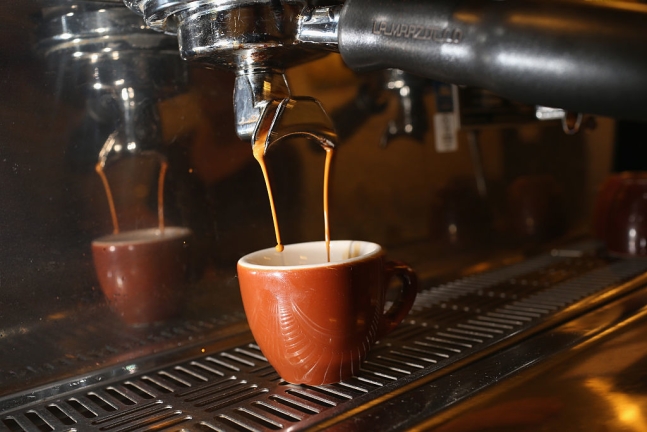
A study has shown that consistent coffee consumption can slow down facial skin aging.
This study, published in the SCI (Science Citation Index) level international journal 'Journal of Cosmetic Dermatology,' analyzed the causal relationship between beverage consumption and facial skin aging in 16,677 Europeans.
The beverages used in the experiment were coffee, tea, alcohol, and sweetened drinks. As a result of investigating the causal relationship between beverage consumption and facial skin aging, coffee was the only beverage found to have a protective effect against facial skin aging. The greater the coffee intake, the more pronounced the anti-aging effect.
Researchers from the Chinese Academy of Medical Sciences and the Chinese Medical Science Institute hypothesized that the antioxidant and anti-inflammatory properties of coffee can suppress oxidative stress and inflammation. They also revealed that coffee extracts have proven beneficial effects on skin hydration, elasticity, and collagen content.
According to research, polyphenols found in roasted coffee can improve skin elasticity and moisture, thereby delaying wrinkles and other signs of aging. Caffeine, a major component of coffee, also plays a role. Thanks to its ability to remove damaged keratinocytes and reactive oxygen species, it possesses anti-aging properties. Furthermore, previous studies have demonstrated that it extends the 'telomeres,' the ends of chromosomes that determine cell lifespan, thereby delaying cellular aging.
The researchers also reported that they did not find any evidence that the frequency of alcohol consumption, tea intake, or consumption of sugar-sweetened beverages causes facial skin aging.
Dr. Hannah Koppelman, a dermatologist in the United States who did not participate in this study, said, "It seems that antioxidants, especially polyphenols like chlorogenic acid, have the magic," and "These compounds are likely a major factor in the anti-aging effects observed in people who drink coffee," to the health information media Well Health.
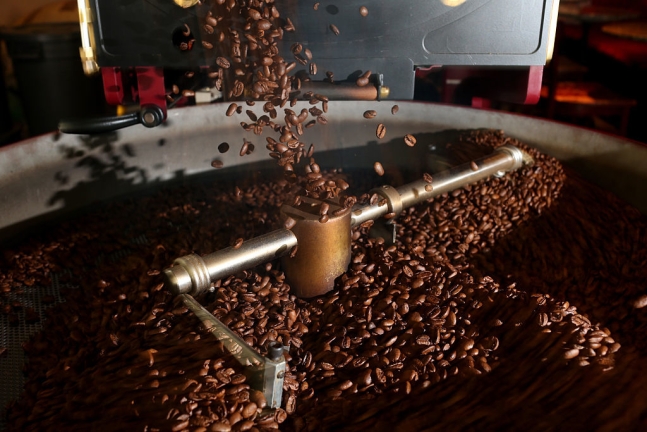
The degree of roasting is also important. Since polyphenols are sensitive to heat, lightly roasted coffee can have a stronger anti-aging effect than dark roasted coffee, explained Dr. Tyler Long, a dermatologist.
Polyphenols can be destroyed if exposed to high temperatures for a long time during the roasting process. He said, "Since espresso uses lightly roasted beans, it may have a higher polyphenol content. If it were me, I would choose espresso over drip coffee."
Consistently drinking an appropriate amount is also important. Dr. Kopel mentioned that drinking two to three cups of coffee a day, using a cup of about 237 ml (two-thirds of a 355 ml tall size), can provide sufficient anti-aging effects.
Dr. Long advised that excessive coffee consumption can cause dry mouth, sleep disturbances, and other unpleasant symptoms, and recommended drinking a moderate amount consistently every day for the best health.
To maximize the anti-aging effects of coffee, it is best not to add cream or sugar.
Dr. Long explained, "Sugar can cause glycation, a process where sugar bonds with collagen or other structural substances in the skin," and added, "Sugar can increase oxidative stress within tissues."
Reference Material: Beverage consumption and facial skin aging: Evidence from Mendelian randomization analysis (https://onlinelibrary.wiley.com/doi/10.1111/jocd.16153)

