

폭스
운동은 꼭 하는게 좋죠 삶의 질 부터 건강 유지까지 여러모로 좋은 점이 많죠 다만 너무 무리하지 안아야죠 하지정맥에도 마찬가지


Install the Cashdoc app
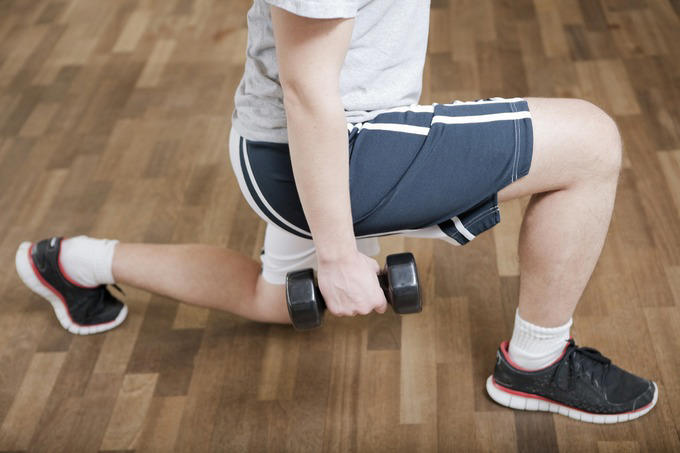
If you have varicose veins, you need to be careful even when exercising.
Varicose veins are a condition in which damaged valves in the veins cause blood to backflow, dilate the veins, and cause them to bulge outward. Even if the veins don't bulge outward, persistent early symptoms like leg fatigue, swelling, pain, and numbness can be a sign of varicose veins.
Kim Geon-woo, director of the Varicose Vein Center at Mint Hospital, emphasized, “Recently, the number of people who build their bodies through exercise is increasing, but if you have varicose veins in your lower extremities, you should be careful with weight-bearing and strength training that puts a lot of strain on your stomach and legs.”
He said, “In the case of running, which is an aerobic exercise, the muscle contraction and relaxation that occurs during the exercise helps blood circulation, but for patients with varicose veins due to abnormalities in the venous valves, it can actually worsen reflux symptoms.” He also recommended appropriate exercise, saying, “However, if you do not exercise at all, the calf muscles will weaken, which can cause varicose veins to appear in other areas as well.”
According to Center Director Kim Geon-woo, swimming is beneficial because it takes place in water, eliminating the effects of gravity on the legs and reducing the stress on the lower body. The repetitive leg movements promote venous blood circulation, strengthening vein walls and ensuring uninterrupted blood flow.

Walking, unlike running, which places strain on joints like the ankles, knees, and lower back, carries a lower risk of injury and strengthens muscle function. This process also reduces leg swelling and prevents blood pooling, alleviating the feeling of heaviness in the legs.
Sky cycling stimulates the thighs and calves, loosening tight leg muscles and promoting blood circulation, effectively preventing the worsening of varicose veins. Yoga and full-body stretching are also beneficial exercises in a similar vein.
These exercises should never be overdone. While they may improve leg heaviness, swelling, and circulation, they do not address underlying issues, such as bulging veins. Therefore, if symptoms are severe, appropriate treatment is essential.
Minimally invasive non-surgical treatments are increasingly popular, surpassing surgical options. These include "thermal occlusion," which uses laser or radiofrequency heat to ablate problematic veins; "VenaSeal," which uses bioadhesive to seal off problematic vessels; and "Clarivein," which hardens blood vessels. It's recommended to assess your individual vascular condition, recovery time, and whether or not you need compression stockings before receiving the appropriate treatment.
Director Kim Geon-woo advised, “The important thing is an accurate diagnosis to determine whether treatment is necessary. A treatment plan should be established after determining the reflux status and blood flow velocity of blood vessels through a Doppler ultrasound examination in accordance with the treatment guide of the Korean Society of Phlebology.”
================
Lower extremity varicose veins are treated with walking exercise
Sky bike is nice
I used to ride a sky bike a lot,
These days, it's mostly about stretching
It would be good to add this too