


라라리
사용량이 많아지면 바로 증상이 나타나는군요
정보 감사합니다ㅎ


Install the Cashdoc app
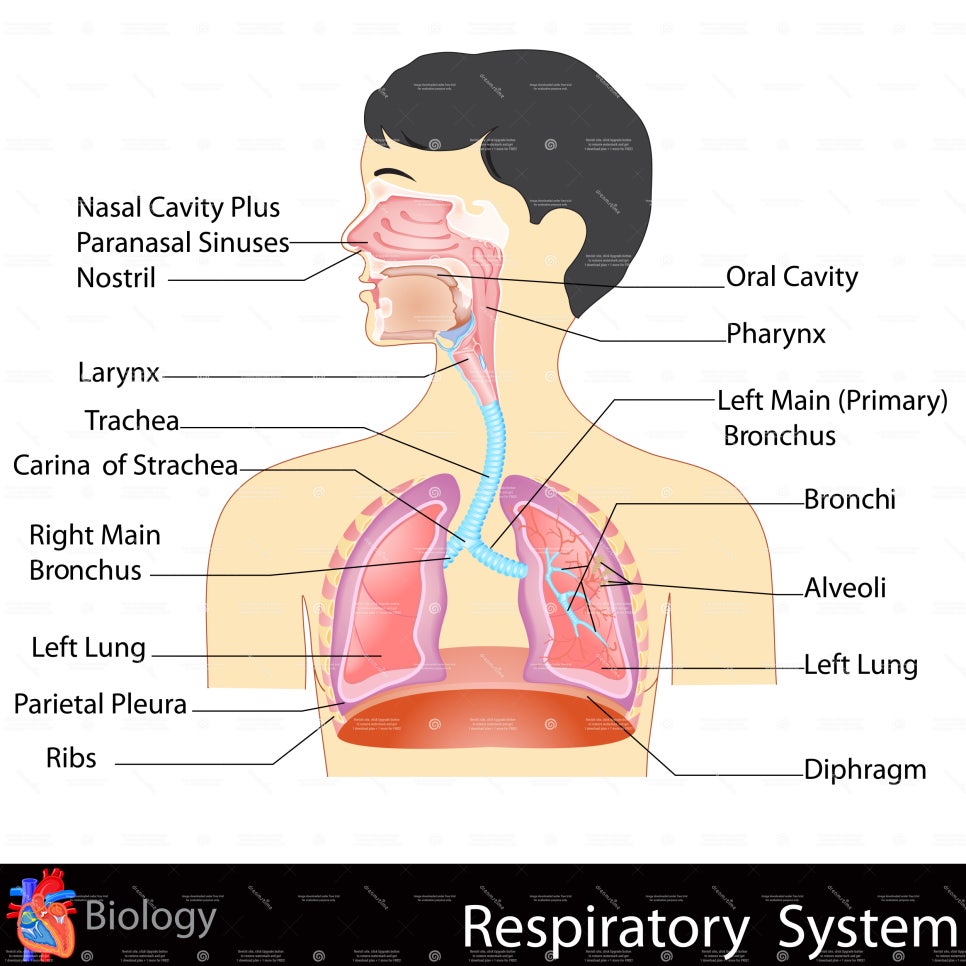
Q1. What kind of organ is the larynx?
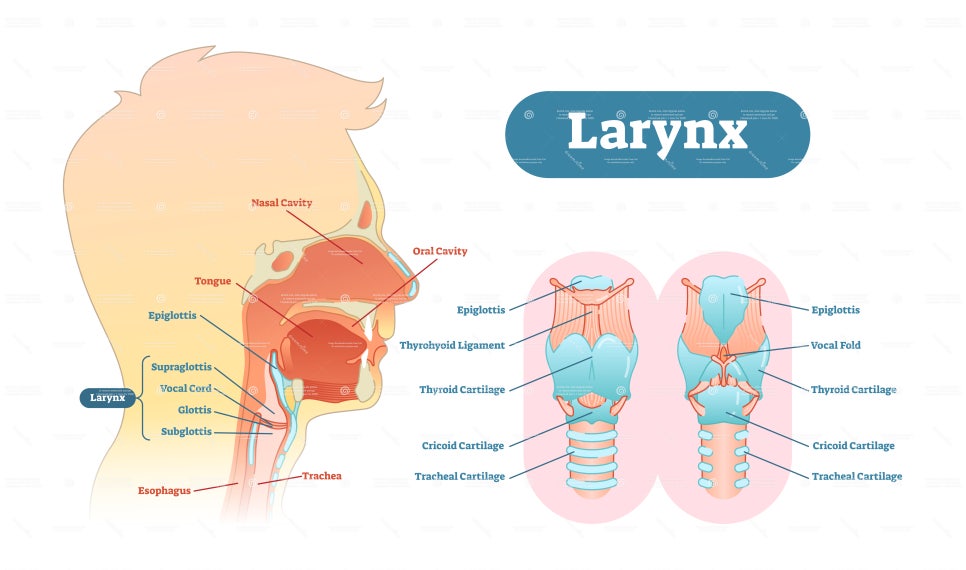
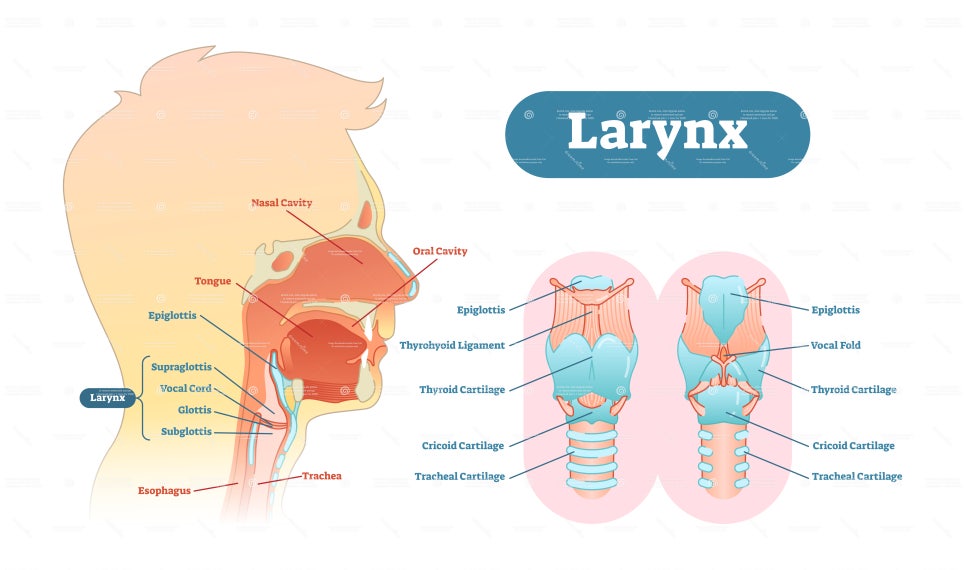
The larynx is a tube commonly called the throat, which is connected to the lungs, and the area including the vocal cords is the larynx itself. Through this larynx, three main functions are performed: breathing, speaking, and singing.
Q 2. What is laryngitis?
Because different medical institutions use different terminology for symptoms related to laryngitis
The term that is most commonly confused is the inflammation that occurs in the larynx.
It often describes a condition where the surface of the larynx is injured or worn, leading to swelling, fever, or discharge.
Sometimes, inflammation occurs spontaneously due to bacteria or viruses.
When swelling and inflammation symptoms occur like this, the vocal cord area within the larynx is most commonly affected by inflammation.


Depending on how it is expressed, the vocal cords may swell, get injured, or become inflamed.
Swelling has developed in the vocal cords.
The vocal cords are accessory organs of the larynx, so if the larynx swells, it is laryngitis, laryngeal edema, or a laryngeal injury.
It is also expressed as laryngopharyngeal, associated with the pharynx just above the larynx, and refers to pharyngitis, throat swelling, or swelling of the throat.
Various symptom names can be attached, even up to this extent.

Q 3. How would you briefly classify the types of laryngitis?
The first is acute laryngitis caused by viruses or bacteria. It mainly occurs due to a sore throat.
There is swelling in the throat, pain when swallowing, and a change in voice.
The second is chronic laryngitis, which occurs due to overuse of the vocal cords, fatigue, chronic fatigue, excessive stress, and other factors.
I frequently feel thirsty, have a swollen throat that makes swallowing difficult, and experience a change in my voice.
Thirdly, it is laryngopharyngeal reflux. Most of the misunderstandings are about this reflux laryngitis.
In fact, symptoms of reflux laryngitis are rarely observed.
On the other hand, the tendency to be diagnosed with reflux laryngitis
You seem more confused because this information is meant to be the main focus on the internet.
Originally, the symptom of reflux laryngitis is when stomach acid unintentionally rises and moistens the vocal cords, then goes back down.
This is not at all a symptom of inflammation of the vocal cords. I will explain this in more detail below.

Q 4. The relationship between laryngitis and vocal cord nodules
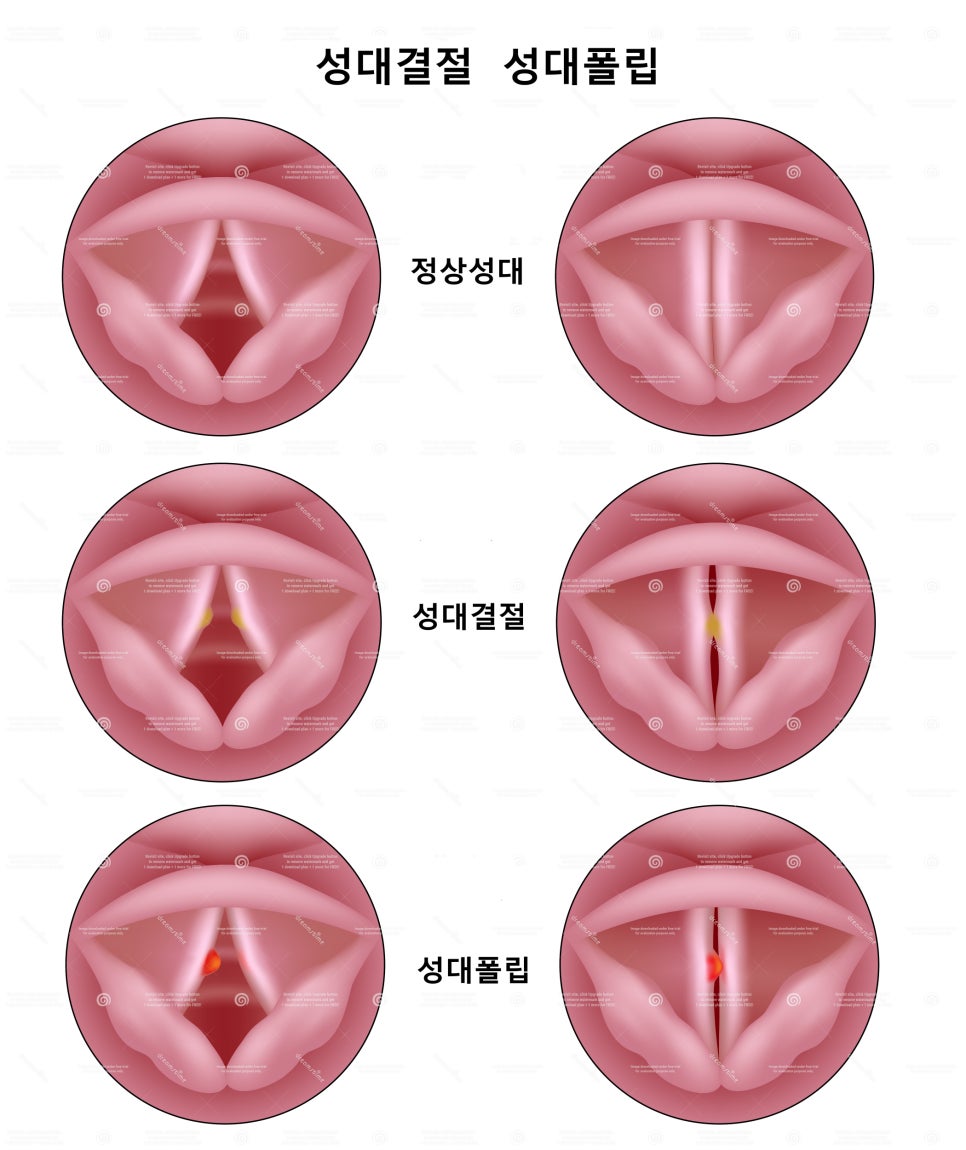
In most cases, it can be understood as an extension of the condition called laryngitis, which is related to vocal cord nodules.
The most common case is that symptoms of laryngitis persist for a long time and are left untreated, leading to the development of vocal cord nodules.
Q 5. What is the cause of laryngitis?
Laryngitis is a symptom that can occur at any time in anyone.
If you sit in a cafe and chat for two hours right away, you can take a short break for your throat.
If expressed in a more complicated way, it is acute laryngitis.
Because the larynx as an organ is inherently fragile and sensitive, it is highly susceptible to damage.
Whenever usage increases even slightly, problems can arise at any time, so to cover this,
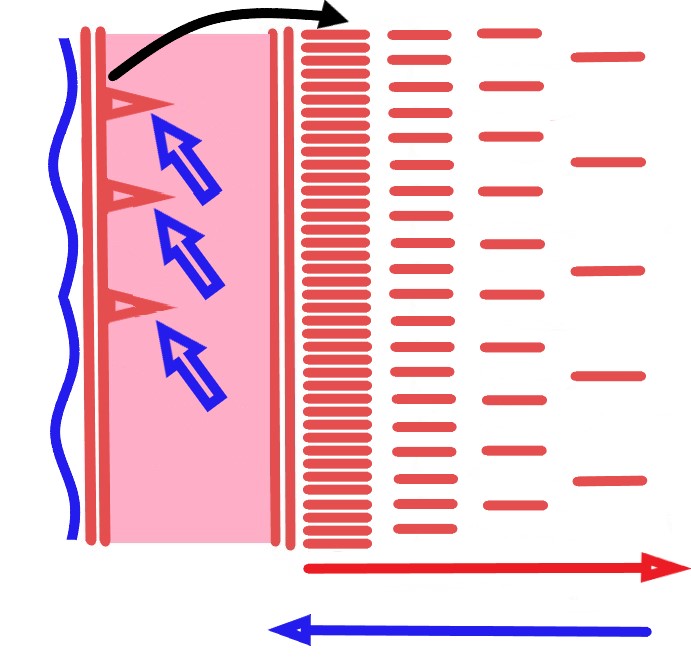

Since the recovery rate of laryngeal tissue increases dramatically, it is a tissue that balances itself out to prevent problems from occurring.
It is designed to maintain the system in a way that allows for immediate recovery whenever a problem occurs, rather than just maintaining it.
In most cases, it is normal for them to return after taking a short break.
Unable to fully recover due to insufficient healing ability or inability to completely recover.
If the state of rapid damage escalation continues, it can progress to a condition where recovery becomes extremely difficult.
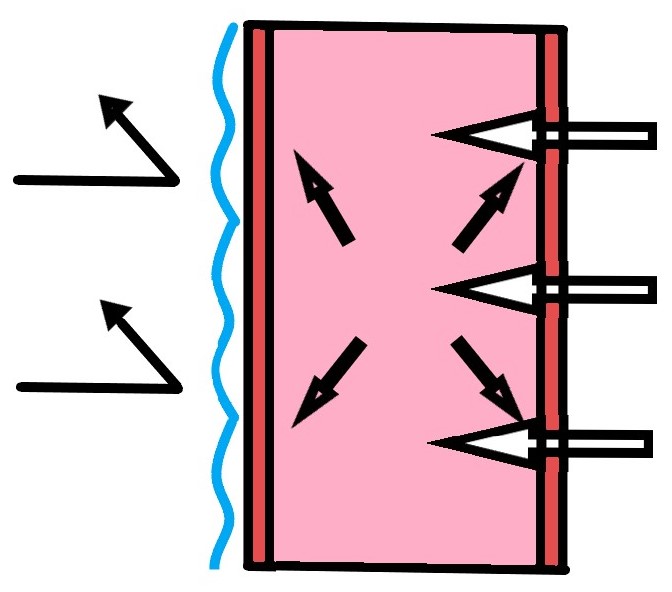
Q 6. Can laryngitis occur even if a cold worsens?
Don't think of the common cold and laryngitis as separate conditions.
Generally, the term "cold" is used in a broad sense to refer to both upper respiratory infections caused by viruses or bacteria.
Here, acute rhinitis accompanied by nasal discharge and nasal congestion, and tonsillitis accompanied by sore throat and difficulty swallowing.
It can be considered that all infectious laryngitis and similar conditions are included.

Usually, when exposed to viruses like the common cold or bacterial infections, swelling often begins in the throat.
This is the body's natural defense mechanism. When the number of bacteria and viruses inside the body exceeds a certain level,
To prevent the damage caused by this, the body's functions are adjusted to expel and eliminate bacteria and viruses.
That process becomes a typical cold symptom.
To prevent the function and reproduction of bacteria and viruses that are vulnerable to heat, the body temperature is raised.


Induces body aches and headaches to minimize physical activity
The body creates the most suitable condition for fighting viruses and bacteria.
Coughing expels viruses and bacteria, while a runny nose pushes them out, narrowing the nasal openings.
Blocking further intrusion and swelling the larynx connected by a ferrous link using the same principle
By narrowing the entrance, we aim to prevent further intrusion. Naturally, this process can lead to laryngitis.


Q 7. Can neglecting laryngitis caused by a cold lead to chronic laryngitis?
Yes. The distinction between whether there is a major problem with the larynx now or if it is a temporary symptom caused by a cold is
During the peak of cold symptoms, it is difficult to distinguish them. Cold symptoms usually last about 1 to 2 weeks.
There are cases where the voice does not return even after that period has passed.
When left untreated, it often progresses to chronic laryngitis.


Q 8. What are the symptoms of reflux laryngitis?
Many people think of reflux laryngitis as the main cause of symptoms of laryngitis.
Unknowingly, stomach acid refluxed and came up, and when it went down, the acid moistens the vocal cords or larynx.
Many people think of it as a concept where inflammation occurs, but anatomically, this is an impossible idea.
The larynx is a tube connected to the lungs, and only air can enter and exit through it; liquids or solids cannot enter.
Only liquids and solids can pass through the esophagus connected to the stomach.

When liquids or solids pass through the throat, the epiglottis at the entrance of the larynx closes, completely blocking the larynx.
Designed to allow all liquids and solids to pass through the esophagus, even if the epiglottis does not close accidentally.
When a solid or liquid attempts to enter the larynx, choking sounds are heard, leading to coughing fits.
They try to spit out until all liquid or solid is completely removed.
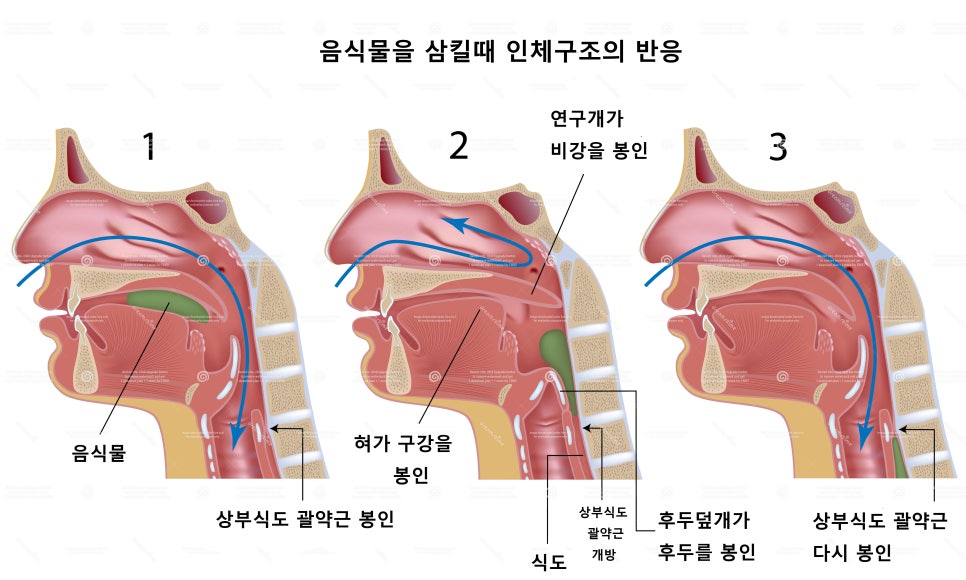

For reflux esophagitis to affect the larynx, stomach acid must rise beyond the esophagus and completely out of the mouth opening into the throat.
Because the entrance of the esophagus is constricted by a muscle called the upper esophageal sphincter.
It is impossible for stomach acid to come out of the entrance of the throat without me realizing it.
It inevitably triggers a reaction called "ulkeok" (a feeling of choking or tightness). Without that reaction, the stomach acid that rises up can only come up within the esophagus.
It has nothing to do with the larynx when going up and down, and even if stomach acid splashes out of the throat,
Since the epiglottis is closed, stomach acid cannot enter the larynx, and if stomach acid accidentally enters the larynx,
Even a single drop of water can cause choking, and if stomach acid enters, it can inevitably trigger severe coughing fits.
Therefore, the actual mechanism of reflux laryngitis is a reflex where stomach acid surges out of the throat in response to a sudden gagging sensation.
In cases where it occurs multiple times a day, the epiglottis and pharyngeal tonsils at the entrance of the larynx, not the larynx itself
It is soaked in stomach acid, causing swelling first, and this inflammation spreads downward, leading to the development mechanism.
The distinction is somewhat clear, as the swollen state of the throat opening can be observed with the naked eye.
It is quite different from common perception, as it belongs to a rare type of laryngitis.

Q 9. What are the limitations of laryngoscopy used in the diagnosis of laryngitis?
The most commonly used method for diagnosing laryngitis is laryngoscopy. Through laryngoscopy,
Assessing the outer wall condition of the larynx to determine the extent of swelling and redness.
We check for the occurrence of nodules, polyps, cysts, and other abnormalities.
However, the ironic paradox of this laryngoscopy is that in many cases, there are symptoms of laryngitis, but the laryngoscopic findings are
It is very common for cases to be determined as normal.

Chronic laryngitis cannot fully recover from the damage to the larynx, leading to dryness or inflammation of the larynx.
The symptoms manifest as swelling on one side, but due to the very rapid recovery characteristic of the larynx, there is definitely inflammation.
The subtle changes in the thickness of the larynx or differences in moisture content are likely to be completely unobservable to the naked eye.
Sometimes, after sleeping overnight and waking up in the morning to visit the hospital for a check-up, the swelling has already completely gone down.
There is also a flaw in that the probability of appearing normal is too high.


Q 10. Contrasting treatment approaches for acute and chronic laryngitis
The treatment approaches for acute and chronic conditions are completely opposite. In the case of acute laryngitis,
As the priority is to remove swelling caused by inflammation, the treatment focuses more on drying out the larynx.
There is a higher likelihood that symptom improvement will occur more quickly.
On the other hand, in the case of chronic laryngitis, the situation is completely opposite. It is likely that relieving the swelling immediately will become meaningless.
Conversely, promoting blood replenishment in the larynx to induce dilation of the capillaries entering the larynx.
You can understand it as an appropriate treatment direction.
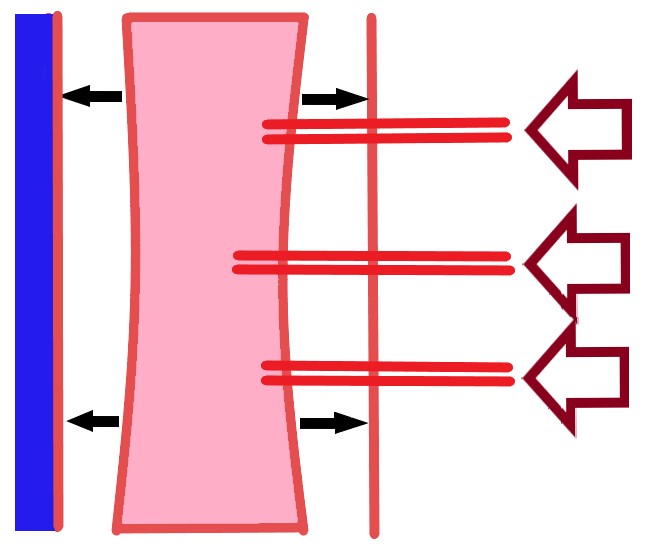
Q 11. Do I have to completely stop drinking coffee to treat vocal cord nodules?
In fact, there are a few cases where coffee is not good for the throat, but for most patients
I confidently say that it's okay to have just a few cups of coffee.
Most people who think coffee is bad for the throat believe that caffeine is the main culprit for vocal cord issues.
Then I have to cut out all foods containing caffeine. There are so many.
Since everyone's sensitivity to caffeine varies, those with very high sensitivity may experience a pounding heart even after just one cup.
People who have trouble sleeping at night and notice a significant increase in urination should indeed refrain from drinking coffee.
In the case of these symptoms appearing, the vocal cords immediately become very dry.

However, for most people with average sensitivity, just one or two cups of coffee are actually enough.
It doesn't get affected by trends to a significant extent. You need to drink coffee to feel its effect on your vocal cords.
Since coffee is a liquid, it enters the stomach entirely through the esophagus, and unless sensitivity is high, the caffeine absorbed through coffee does not significantly affect sensitivity.
People who just pass by without much notice and drink coffee, claiming that their throat is actually not feeling well.
It is highly likely that the temperature effect is the main factor. If we divide coffee into two main types, they are cold and hot, right?

There are hardly any lukewarm coffees, so as a result, the vocal cords become somewhat dry due to this temperature stimulus.
Actually, when there is a remaining thick residue in the mouth that slightly affects dry mouth, I usually drink Americano when I am not very active.
It's usually just enough to warm it slightly and drink 1-2 glasses, and in most cases, it doesn't have a significant effect.
Actually, drinks like hot chocolate, yulmu tea, or five-grain latte are worse than coffee.
The drier it feels, the more negatively it affects the vocal cords.

Q 12. Do I need to stop drinking alcohol to recover from laryngitis?
Alcohol is similar to this principle, but people with high alcohol sensitivity should just avoid drinking.
Conversely, those who are not highly sensitive to alcohol are affected not by the alcohol itself but by their behavior after drinking.
After consuming alcohol, the voice naturally becomes louder, and because pain or sensations are not easily felt, talking increases.
If you push yourself too hard, the damage can be enormous, but in cases where you absolutely cannot quit drinking.
I usually drink a cold can of beer alone and then go to sleep, or I mainly listen during drinking gatherings.
If you are careful only about actions and complacency, the negative impact is not as great as you might think.

Q 13. What are your habits regarding flour-based foods and lying down immediately after eating?
Most cases of laryngitis are mistaken for reflux laryngitis, leading to laryngeal treatment.
There are too many people who thoroughly manage digestive diseases.
It is good to manage food separately to improve the digestive system, but in many cases, it is for the treatment of laryngitis.
Excessive food management may not be entirely appropriate.
It is most important to avoid foods that are刺激的 things such as spicy, salty, sour, and hot or cold temperature stimuli.
It helps with actual laryngitis management, and beyond that, you can approach it as a basic dietary management for health care.


Q 14. Should I also quit smoking?
It is a well-established fact that smoking is really bad for the larynx.
However, what I want to clearly point out is that quitting smoking does not necessarily improve your throat.
If the cigarette smoke that was habitually irritating the larynx suddenly decreases sharply
The protective system of the larynx, which was functioning to protect the larynx from cigarette smoke, caused confusion.
Right now, my phlegm is increasing rapidly, and my throat feels more blocked, so I just can't control my throat care at all.
Usually, after an adaptation period of about 6 months to a year, the condition worsened.
It is generally normal for things to improve significantly after about a year, so please keep that in mind when managing your care.
I hope proper management will alleviate the reflux laryngitis.
Starting today, I need to make an effort to improve my eating habits.