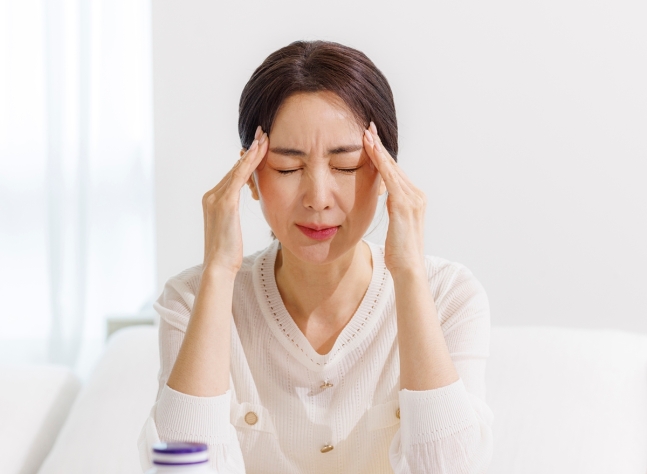
Not eating for more than 6 hours can also be a cause of headaches. It is recommended to have at least a small breakfast. / Photo = Clipart Korea
Many people suffer from unexplained headaches. Headaches are so common that 70 to 80% of the population experience them at least once a year. In particular, 'migraine,' which is characterized by severe pain, pounding in the head like a heartbeat, and accompanying gastrointestinal symptoms, occurs more frequently in women. Migraines are usually hereditary, but in individuals with a genetic predisposition, headaches can be triggered by various factors. For example, ▲before or during menstruation ▲rainy or cloudy weather ▲eating certain foods ▲smelling specific scents such as perfume ▲long car rides or shaking ▲excessive stress ▲certain types of light can all trigger migraines.
What are some lifestyle guidelines for preventing migraines?
Maintain the same daily routine 365 days a year
The key to preventing migraines is maintaining a regular lifestyle. It is important to keep sleep times, wake-up times, and meal times consistent. During busy weekdays, sleeping less and drinking more coffee, then sleeping in and avoiding coffee on weekends can be perceived by the brain as sudden changes, potentially triggering migraines. People who have shifted their day-night cycle or work in shifts often experience frequent migraines for this reason. It is best to maintain a consistent routine throughout the year, 365 days a year. Ensure you get enough sleep of 7 to 8 hours every day.
Avoid foods that trigger migraines, such as alcohol and chocolate
Identify and avoid foods or situations that trigger migraines. Foods containing amines such as chocolate, red wine, cheese, and vinegar, instant foods, processed meats, MSG found in seasonings, nitrates in sausages and bacon, aspartame in soft drinks, gum, and ice cream, and caffeine-containing foods like coffee are known migraine triggers. Alcohol, especially mixed drinks like 'somaek' (soju and beer) and fruit wines, should be avoided because they contain ingredients that stimulate blood vessels. If alcohol must be consumed, distilled spirits like soju or whiskey are less likely to cause migraines.
Relieving tension through regular exercise
Regular exercise helps relieve tension and prevent migraines. If there are no other medical issues making exercise difficult, it is helpful to consult with your primary care physician and engage in aerobic activities such as walking, swimming, or cycling. Additionally, doing muscle relaxation exercises for the neck, shoulders, and back for at least 30 minutes daily, as well as practicing meditation or yoga, is also beneficial.
Eat a balanced diet without skipping meals
Not eating for more than 6 hours is also one of the causes of headaches. When blood sugar levels drop, the blood vessels supplying glucose to the brain constrict, stimulating the peripheral nerves around the brain blood vessels and causing headaches. It is recommended to have at least a small breakfast and to keep dinner light. Eating fresh green vegetables rich in vitamin C and minerals frequently can also help prevent headaches.
If symptoms are frequent, keep a 'headache diary'.
Headache is a highly subjective symptom, and many patients have difficulty accurately describing their condition to their primary care physician during consultations, often saying only "my head hurts," "it feels dull," or "I'm worried." Therefore, keeping a detailed headache diary that records the pain experienced can be helpful when consulting with healthcare providers. Currently, migraine pain relievers are quite effective and are known to improve symptoms within one or two hours. Taking medication immediately when a migraine occurs is much more effective.