


주여니2
후추가 좋군요.
잘봤습니다 ~


Install the Cashdoc app
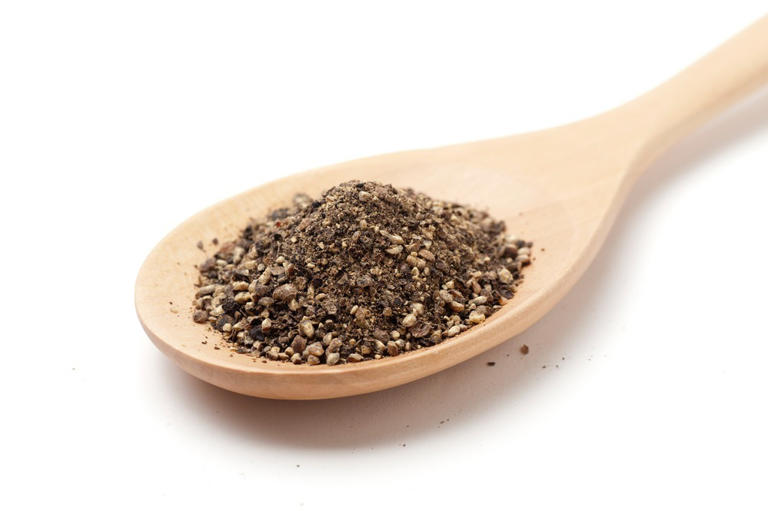
Along with chili peppers, garlic, and ginger, pepper is undeniably a staple when it comes to spices. Pepper adds a fragrant and spicy kick to dishes, but what impact does it have on our health?
Pepper has a strong smell and functions to eliminate the smell of meat or fish. Apicius, a famous gourmet from ancient Rome, is said to have sprinkled pepper on almost every dish. The reason pepper is added to soups and fish dishes is to eliminate odors.
Pepper that enters the body like this also helps digestion. The alkaloids in pepper stimulate the secretion of saliva and digestive juices. They also contain compounds that prevent food spoilage. Pepper is added to processed foods like ham and sausages for its sterilizing, insecticidal, and preservative properties.
A study found that pepper affects genes and helps improve obesity. This is thanks to the piperine (a type of phytonutrient) contained in pepper. According to a research team from the Department of Biotechnology at Sejong University, piperine weakens a substance (PPAR gamma) that promotes fat cells when it enters the body. It also blocks the activity of several genes that cause obesity (SREBP-1c, C/EBPβ, Adipsin, aP2, LPL, etc.). The research team stated, "Everyone has an obesity gene, but if you overeat frequently, these genes become active regardless of calorie intake, making you more prone to obesity." "Conversely, frequent consumption of piperine found in pepper can block the expression of this gene to some extent."
If you regularly consume a lot of pepper, you've probably heard the saying, "If you eat a lot of pepper, it builds up in your body and isn't excreted." Is this true? Pepper does contain non-water-soluble components. However, since pepper itself is a spice that's added to food in small amounts, there's no need to worry unless you habitually consume it in large quantities.
Different types of pepper pair well with different dishes. Black pepper is made from unripe green peppercorns, heat-dried with their skins intact, and is ideal for steaks and salads. White pepper is made from ripe red peppercorns soaked in water, with the red skins removed and dried. It's great in white sauces and fish dishes. Green pepper is best sprinkled on soups, cream sauces, and more.
Ground pepper loses its flavor and aroma quickly. For a fresh peppery flavor, it's better to grind whole peppercorns with even grains each time you cook.
=================
I only use pepper in powder form.. haha
I really need to buy some whole peppercorns too.
I love eating eggs topped with pepper
It tastes good, and I love the pepper in soups.
It tastes good too. It helps prevent obesity.