

지영도영
저도 가끔 오트밀을 한끼식사대용으로 하는데 먹을만하더하구요


Install the Cashdoc app
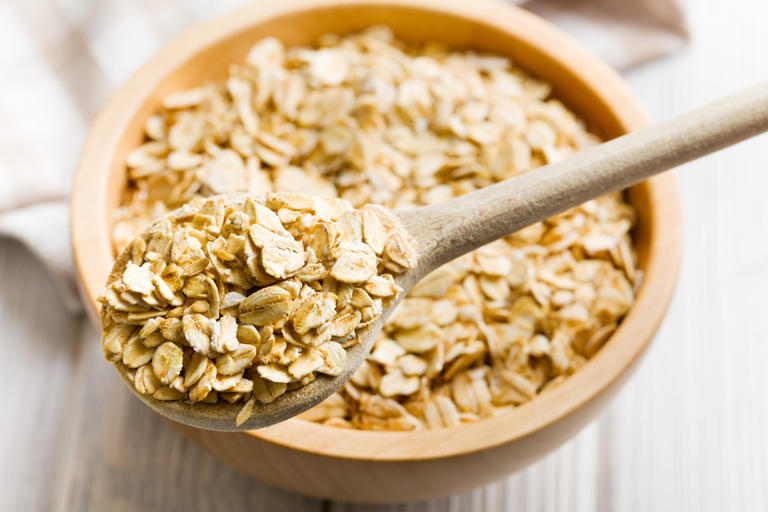
One trend caught my eye among the so-called "health food" videos I happened to see on Instagram: ground oatmeal used as a substitute for wheat flour. Could oatmeal really be a healthy alternative to wheat flour? While its English name sounds impressive, oatmeal is actually processed oats. Because the grains are hard and difficult to cook and consume, they're processed by removing the hulls, steaming them, pressing them flat, or grinding them.
Depending on the processing method, oatmeal can be broadly divided into three types. The first is instant oatmeal. It's ground so that the grains lose their shape, becoming almost crumbly. While it can be eaten immediately after adding water, the taste and texture are not particularly pleasant. In fact, it feels more like horse fodder than a human meal. The second type is pressed oatmeal. It's pressed flat like barley, so while not quite as good as instant oatmeal, it can be cooked quite quickly. However, it's not particularly tasty.
Finally, there's steel-cut oats. They're named after the oat grains, which are cut into two or three pieces with a steel blade. While they take significantly longer to cook than the previous two, they offer a pleasant chew and a surprisingly nutty flavor. They're also a well-known Irish dish, and you can make them even more delicious and hassle-free by soaking them overnight and boiling them in the morning as "overnight oats."
While oats are processed to shorten cooking time and make eating easier, even at the expense of flavor and texture, these three oatmeal varieties share a common characteristic: they are processed entirely, with the remaining components removed from the hull. Grain consists of the bran, germ, and endosperm. The endosperm, the main body of the grain, provides the nutrients necessary for germination, making it the largest component and composed of starch.
In other words, the endosperm is the carbohydrate we know, and the bran and germ are added to it to provide a balanced amount of fiber and other nutrients. All three types of oatmeal discussed above are processed whole grains with only the hull removed, so there's essentially no difference in nutritional value.
Therefore, even if ground oatmeal is used as a substitute for wheat flour, it can be a healthier alternative than white flour, which is milled to completely remove the bran and germ, leaving only the endosperm, or carbohydrates. However, keep in mind that oatmeal flour lacks gluten, the protein responsible for chewiness and elasticity, so it cannot completely replace wheat flour in baking.
Oatmeal, a good source of vitamin B1, manganese, and magnesium, is quickly gaining recognition as a superfood. However, as oatmeal has become a popular breakfast food in the United States, its health benefits have been significantly diminished by the addition of brown sugar and other sweeteners. If you're looking to incorporate oatmeal into your diet, it's best to buy oats without any additives, season with salt, and boil them into a simple porridge.
As mentioned earlier, the flavor is inversely proportional to the short cooking time, so I recommend steel-cut oats whenever possible. In fact, pressure cookers make cooking even easier. If you want to go a step further, you can buy whole oats and add them to your rice. They're slightly grainy, but they're also savory. Adding too much can make the rice sticky.
========================
I saw it on Instagram yesterday
They even make tortillas by grinding oatmeal.
It keeps coming out as a healthy snack
There are many different ways to make it.