


버미
좋은 정보 감사합니다.


Install the Cashdoc app
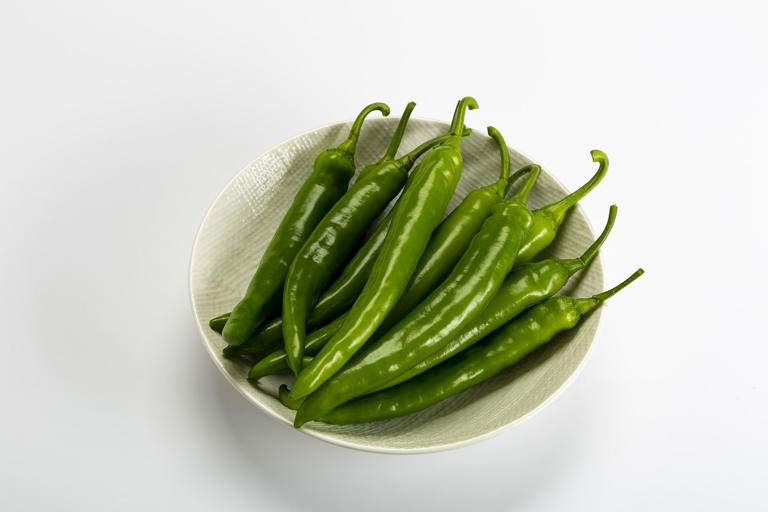
While hot peppers are a controversial ingredient, they're actually a vegetable rich in vitamins and other nutrients. They can be eaten raw or added to dishes, offering a variety of uses. Let's explore the health benefits of peppers.
Chili peppers are as rich in vitamin C as any fruit. According to the National Standard Food Composition Table, 100g of green chili peppers contain 43.95mg of vitamin C. The vitamin C content in chili peppers is known to be 20 times that of apples and three times that of tangerines.
Vitamin C is good for antioxidant properties, fatigue relief, and boosting immunity. While vitamins are naturally sensitive to heat and can be easily lost when heated, the vitamin C contained in chili peppers is not significantly lost even when cooked. This is because capsaicin, the spicy ingredient in chili peppers, prevents vitamin C oxidation. Additionally, chili peppers are rich in vitamin B, which helps with food digestion and absorption, boosts metabolism, and maintains normal brain and nervous system function.
Chili peppers are also effective for weight loss. Capsaicin, abundant in chili peppers, stimulates and activates beige fat. The body contains white, brown, and beige fat. Brown fat, of which, burns energy and helps prevent obesity. Beige fat functions similarly to brown fat under certain circumstances. Eating spicy food activates both beige and brown fat.
Sweating when eating spicy food is also a result of beige fat burning energy and generating heat. However, caution is advised, as excessive consumption of spicy peppers can irritate the stomach and intestines, causing diarrhea and damaging liver function.
Chili peppers vary in their nutritional richness depending on their color. Green, unripe peppers are less spicy but are rich in beta-carotene, which is good for eye health. Red peppers are rich in flavonoids, an antioxidant that helps prevent oxidation of brain cell membranes and dementia.
Meanwhile, when choosing a delicious pepper, pay close attention to its appearance. According to the Rural Development Administration, green peppers should be uniform in shape, have a smooth surface, and be glossy with a deep green color. Except for the Korean chili pepper, a pepper with a springy skin when pressed is considered fresh and delicious.
Avoid those with dried stems, as they may be old since shipment. Also avoid those with blackened stems or blackened seeds. To prepare peppers, remove the stems and rinse thoroughly under running water to remove any residual pesticides, dust, or other impurities. For storage, wrap the peppers unwashed in newspaper or a paper towel, place them in a plastic bag, and refrigerate for about five days.
===================
They say that pepper seeds are also full of nutrients.
I always get some chili peppers when they come out in the cafeteria.
I eat a lot at home too.
My father eats two green chili peppers every meal.
My mom said that my dad doesn't catch a cold because he eats green chili peppers lol
They say that vitamins in peppers are also delicious.
There are so many different types
It's also good to choose and eat