


천사의나팔
전 아직 안먹어봤어요
근데 새싹분말이런거 먹어봤는데 별로라서.
말차 효능은 좋으네요
입맛이란게. 자주 접하던 것만 찾게되서..
하루님. 좋은하루 되세요~~


Install the Cashdoc app
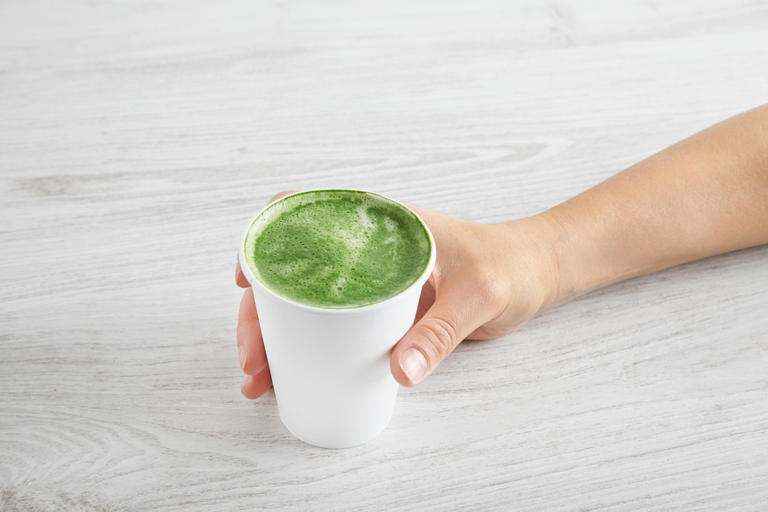
Matcha is finely ground tea leaves and is characterized by a bitter yet deep flavor. Made from the same tea leaves as green tea, it shares a similar aroma and color but differs in production method. Green tea consists of dried tea leaves, whereas matcha is made by steaming harvested leaves, drying them, and grinding them into a powder. While green tea is brewed by steeping dried leaves in hot water, matcha is consumed directly by mixing the leaves with water, allowing for greater nutrient intake. Let's explore the health benefits of matcha.
◇ Rich in antioxidants
Matcha is rich in antioxidants. In particular, it contains a large amount of catechin, a type of polyphenol, which helps prevent various diseases such as cancer and heart disease, as well as providing anti-aging effects. According to the American health media outlet 'Healthline,' the antioxidants in matcha prevent cell damage and inhibit the accumulation of carbohydrates as fat in the body, thus having a weight loss effect.
◇ Stress relief
Matcha has a stress-relieving effect. L-theanine, an amino acid contained in matcha, affects brain neurotransmitters to alleviate tension and anxiety caused by stress.
◇ Improvement of brain function
Matcha improves brain function. A research team at the U.S. National Library of Medicine measured the brain function of people who consumed 4g of matcha and a control group that consumed a placebo. The analysis showed that those who consumed matcha had improved attention, memory, and reaction time compared to the control group. The research team analyzed that the caffeine in matcha stimulated the central nervous system, thereby improving cognitive function.
◇ Skin improvement
Matcha is rich in Vitamin C, making it effective for skin elasticity and anti-aging. Vitamin C also has moisturizing and whitening effects, helping to keep the skin clear and clean.
◇ Relief from depression
Matcha has an effect that alleviates depression. According to a study published in the journal 'Nutrients', matcha powder activates the brain's dopamine system, producing effects similar to antidepressants.
◇ Caution due to high caffeine content
However, since matcha has a high caffeine content, consumption should be carefully controlled. Matcha contains approximately 19–45 mg of caffeine per gram, which is higher than green tea, which contains about 11–25 mg per gram. As a single cup of matcha contains about 38–176 mg of caffeine, it is advisable to consume it within the 400 mg daily recommended intake for adults set by the Ministry of Food and Drug Safety. If you are sensitive to caffeine, it is best to avoid consuming it late at night.
====================
Matcha latte tastes good, too.
I like matcha, but when making a latte
I don't eat it because I dislike sugar.
Looking back, when I used to eat things like wagashi,
I think I eat a lot of matcha.
I used to eat Boseong green tea powder,
Matcha has better effects.