


연시~리^^!
애사비식초는 하루에 얼마나 먹어야할까요?
식사 전후 언제먹어야할까요?


Install the Cashdoc app
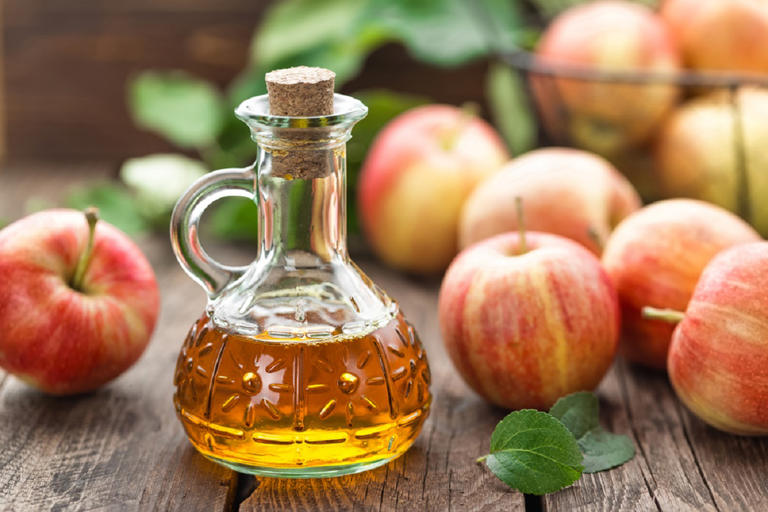
The popularity of low-glycemic diets continues to grow. This method aims to control blood sugar levels and achieve weight loss. Commonly consumed foods include asabi, peanut butter, and oatmeal. However, there are some precautions to keep in mind when consuming these foods.
◇Asabi
"Asabi" is short for apple cider vinegar, which refers to fermented apple cider vinegar. Fermented apple cider vinegar helps prevent diabetes by suppressing blood sugar levels. In fact, a research team at Asfahan University of Medical Sciences in Iran conducted a study on 110 diabetic patients. Some participants consumed approximately 200 mL of water and 15 mL of apple cider vinegar for three months. Their blood sugar and glycated hemoglobin levels (average blood sugar levels over the past two to three months) were lower than those who did not drink the vinegar.
However, caution is advised when drinking apple cider vinegar in its pure form. The strong acidity can damage the esophagus and stomach. For a more appropriate solution, dilute 15-30 mL with water or carbonated water. Also, avoid brushing your teeth immediately after consuming apple cider vinegar. Brushing with the alkaline apple cider vinegar on your teeth can wear away the enamel that protects the dentin. It's best to wait at least 30 minutes after consuming apple cider vinegar before brushing.
◇Peanut butter
The peanut butter diet is also popular. It originated from the movement to lose weight by controlling blood sugar levels. The key to peanut butter's effectiveness lies in its high protein and fat content, which keeps you feeling full longer and reduces blood sugar spikes. By slowly and gradually raising blood sugar levels, it helps reduce insulin resistance and prevents overeating.
However, peanut butter is a high-calorie food, so you should not exceed the recommended daily intake. Peanuts themselves have a low glycemic index of 14 and are rich in protein and unsaturated fatty acids. However, peanut butter contains a lot of saturated fat, which is added during the coagulation process of peanut oil. Furthermore, some peanut butters contain significant amounts of salt, sugar, and other additives. Therefore, when following a peanut butter diet, it's best to choose products with a high peanut content and low salt, sugar, and other additives.
◇Oatmeal
Many people eat oatmeal to manage their blood sugar levels. Oatmeal was named one of the "Top 10 Health Foods" by the New York Times. It's packed with protein, essential amino acids, and trace nutrients like calcium, potassium, iron, magnesium, phosphorus, and iron. It's also high in dietary fiber, so even a small amount keeps you feeling full for a long time.
However, you shouldn't eat oatmeal indiscriminately. Those prone to gas or irritable bowel syndrome should avoid oatmeal. Excessive consumption of oatmeal can cause abdominal bloating as the fiber breaks down, leading to digestive problems like diarrhea and discomfort. Oatmeal comes in three varieties: steel-cut oatmeal, rolled oatmeal, and quick oatmeal. Quick oatmeal has a relatively high GI, so if you're dieting, choose steel-cut oatmeal and avoid products with added sugar.