

이재철
팁을 하나드리면 씻는 물에 식초를 약간타서 씻으면 농약이 잘씻어 진대요


Install the Cashdoc app
So, do I have to peel it before eating it now?
I do just wash and eat apples and cucumbers... but this is really a dilemma.
-------------------------------------------------------
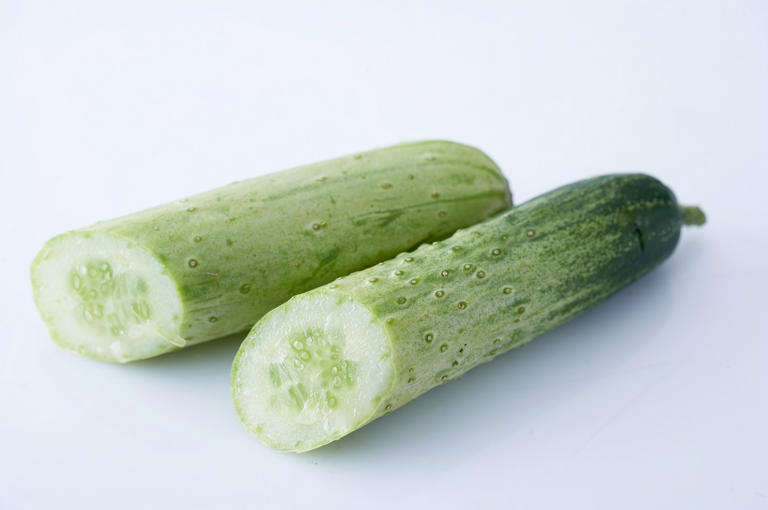
Many fruits and vegetables are consumed after simply washing them with water or detergent without peeling. However, research has revealed that this method alone is not sufficient to adequately remove harmful pesticide residues from the peels of fruits and vegetables.
A research team from Anhui Agricultural University in Hefei, China, sprayed cucumbers, apples, shrimp, and rice with pesticides containing ingredients such as thiram and carbendazim. They then washed the peels using the standard washing methods used by millions of households when consuming these foods. Afterward, they used a special film to check how much of the pesticide remained.
It was confirmed that pesticide components were still detected, albeit at a 'low concentration.' In particular, when the apple peel was examined, it was found that the pesticide components had penetrated from the peel layer to a depth of about 30 μm (micrometers) into the flesh layer.
The research team explained, "Simply washing the surface is not enough to completely eliminate the risk of pesticide ingestion when eating fruits or vegetables," adding, "Only by peeling can pesticide components on and near the peel be effectively removed, thereby reducing the possibility of ingestion."
Among pesticide components, carbendazim has been shown in some animal studies to increase the risk of liver cancer. According to the U.S. Environmental Protection Agency, thiram causes problems with fetal development and irritates the skin.
The results of this study were published in the American Chemical Society's journal 'Nano Letters' on the 7th.
Reporter Lee Hae-na's story