


김수영
좋은정보네요 ㅋ
잘보고가요


Install the Cashdoc app
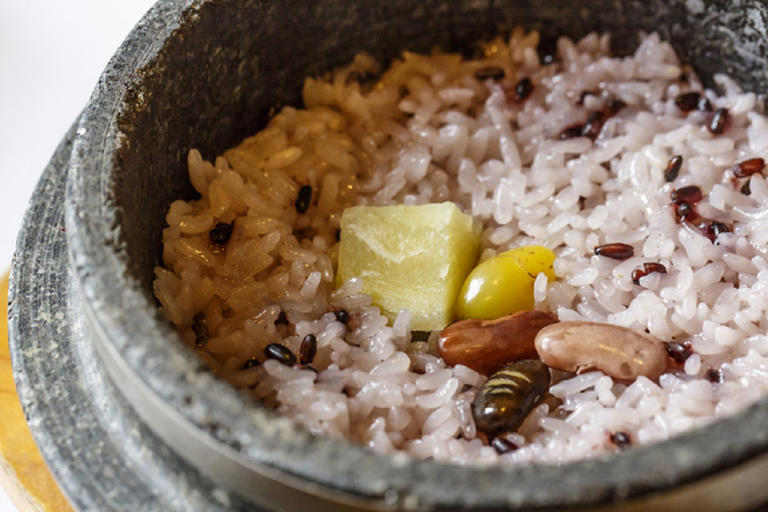
It is common to make and eat scorched rice after eating rice cooked in a pot. However, there are people who should avoid consuming it. These are people with high blood sugar levels.
In fact, if you have high blood sugar levels or diabetes, scorched rice or sungnyung is not recommended. Since scorched rice is made by pressing rice, it takes up less volume, so people tend to eat more of it than regular rice. However, because scorched rice is primarily a carbohydrate-based food, it causes blood sugar levels to rise rapidly.
A joint research team from the Department of Food and Nutrition at Seoul National University and Gachon University calculated the glycemic index (GI) of commonly consumed foods in Korea, and found that the GI of scorched rice is estimated to be 72. The glycemic index is a numerical representation of the speed of digestion and absorption; the lower the glycemic index, the less impact it has on blood sugar fluctuations. Foods with a glycemic index of 55 or lower are classified as low-glycemic index foods, those with an index between 55 and 69 as medium-glycemic index foods, and those with an index of 70 or higher as high-glycemic index foods.
You should also be careful about consuming seasonings when eating rice cooked in a pot.
When visiting a restaurant specializing in rice cooked in a pot, butter is usually provided, and people often add a generous amount because it enhances the umami and richness of the flavor. However, most of butter consists of saturated fatty acids.
If you add too much butter relative to the amount of rice, it can raise cholesterol levels and negatively affect cardiovascular health. Additionally, you need to adjust the accompanying seasoning sauce. Since the rice is already seasoned, adding excessive amounts can burden the stomach or cause an increase in blood sodium levels.
Meanwhile, generally speaking, it is not advisable to heat rice for too long when making scorched rice. This is because 'acrylamide,' a suspected carcinogen, is produced during the Maillard reaction. Acrylamide does not break down in the body and accumulates in the blood or tissues. The International Agency for Research on Cancer classifies acrylamide as a suspected carcinogen.
According to a research team from the Department of Food and Nutrition at Hankyong National University, the longer scorched rice is heated, the higher the levels of antioxidants such as polyphenols and flavonoids become. However, acrylamide levels also increase simultaneously. Therefore, the research team analyzed that a heating time of five minutes or less is appropriate when making scorched rice.
Just leave out 'this' when eating savory pot-cooked rice... reduce blood sugar worries © Provided by Health Chosun