


파랭이
어디하나 몸에서 중요하지 않은곳이 없네요
잘보고갑니다~^^


Install the Cashdoc app
It's widely known that building thigh muscles is essential for a healthy life as we age. However, our bodies also need to function properly in smaller muscles beyond the thighs to maintain good health. Let's explore the small muscles that need to be trained for good health.
◇Hand muscles
Muscles in the hand, such as the hallux valgus (the thick muscle under the thumb), are directly related to quality of life. In particular, grip strength, or hand strength, indicates overall body strength.
It's known that weak grip strength increases the risk of various diseases, including diabetes, cancer, and dementia. To improve grip strength, you can use a rubber ball or grip strength machines. Exercises that strengthen your hands 30 to 45 times a day are also helpful. Arm exercises like push-ups or dumbbell lifts, as well as climbing, can also improve grip strength.

◇Foot muscles
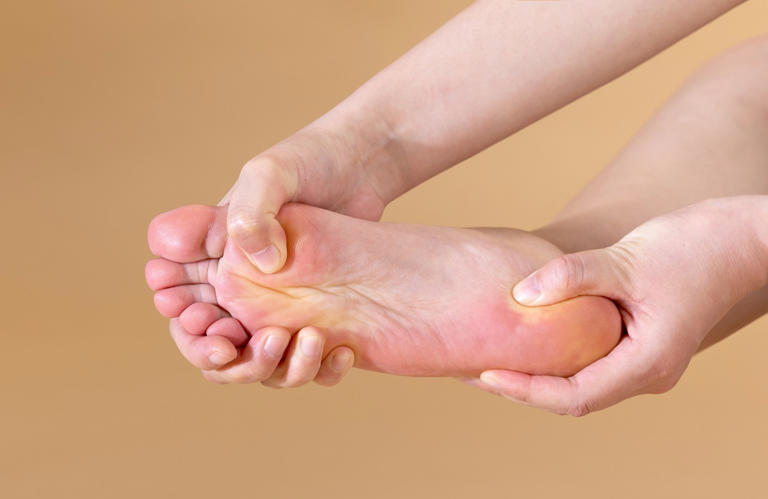
The feet are often called the "second heart" and are crucial organs that support our bodies. Weak foot muscles make it difficult to walk properly or maintain balance. This increases the risk of ankle sprains and falls, and reduces activity levels. To strengthen your foot muscles, straighten your legs, place a towel or band around the arch of your foot, and pull it 10 to 20 times.
When your foot muscles feel tired, massage them, focusing on the arches of the soles and the small muscles between the toes. Additionally, soaking your feet in water at 42-44°C for 10-15 minutes is also effective in relieving foot muscle fatigue.
◇Swallowing muscles
The muscles of the tongue, mouth, and jaw used for eating are called swallowing muscles. Weak swallowing muscles can lead to difficulties chewing and swallowing food, and masticatory movements become more difficult, increasing the risk of malnutrition, dehydration, and aspiration pneumonia.
Swallowing muscles can weaken simply due to aging, but they can also weaken more rapidly in neurological conditions like dementia and Parkinson's disease. Regularly pushing your tongue against the inside of your cheek or the roof of your mouth, or blowing air through your mouth, can strengthen your swallowing muscles. Opening and closing your mouth wide and imitating the "ah-eh-ee-oh-uh" sounds can also help.
◇Urinary muscles
The detrusor muscles help expel waste and water from the body and support the pelvic organs. Beyond aging, pregnancy and increased female hormones, or childbirth, can weaken these muscles. Weakened detrusor muscles increase the risk of urinary problems, pain, and incontinence. Squats and Kegel exercises can help strengthen these muscles.
When performing a squat, stand with your feet shoulder-width apart, straighten your shoulders and back, and bend your knees. Make sure your hips don't go below your knees, and your knees don't extend beyond your toes. When bending and straightening your knees, apply force as if you're tightening your buttocks and anus together. Kegel exercises are performed by tightening your muscles for five seconds, then releasing for five seconds, as if you were holding back urine.
======================
The article says that you need to build up your thigh muscles a lot.
I think I've seen it a lot, but still,
As we age, all parts of our body
You need muscles in every nook and cranny.
I think I can do the mouth muscles and hand muscles often on a regular basis.