


보통아이
양치질하는 방법 잘 알게 되었습니다
치실도 꼭 사용해야겠어요


Install the Cashdoc app
Using the correct tools
1. Use a good toothbrush. Choose a soft nylon bristle toothbrush. If the bristles are rough, they can irritate the gums when brushing sideways and may erode the tooth enamel. Using a soft-bristled toothbrush can remove plaque and food debris with minimal irritation. The toothbrush should be comfortable to hold and of a size that easily reaches all teeth. If the toothbrush does not fit well inside the mouth, it is too large, so replace it with a smaller one.
Replace your toothbrush twice a year. Over time, the bristles become frayed, reducing effectiveness. It is recommended to replace your toothbrush with a new one every 3-4 months or when the bristles spread out and lose their shape. It is more appropriate to judge the timing of replacement by the condition of the bristles rather than by the calendar. When it's time to replace, purchasing a toothbrush with a handle that changes color is also a good option.
Use fluoride toothpaste. It helps remove plaque and also strengthens tooth enamel. Since swallowing fluoride toothpaste can cause serious health problems, it is important not to swallow it. Therefore, children under the age of 3 should not use it.
Use dental floss. Not only brushing but also using dental floss is important for removing plaque, bacteria, and food debris. The bristles of the toothbrush may not reach the impurities stuck between the teeth, but these residues can be removed by using dental floss up and down. Dental floss should always be used before brushing to ensure that loosened food debris does not remain in the mouth during flossing.
Mastering Brushing Techniques
Use only a small amount of toothpaste. Squeeze a pea-sized amount of toothpaste onto the toothbrush. Using too much toothpaste can cause you to spit out more frequently and finish brushing sooner. Additionally, there is a higher risk of accidentally swallowing toothpaste that is rich in fluoride, which is not good for health if swallowed.
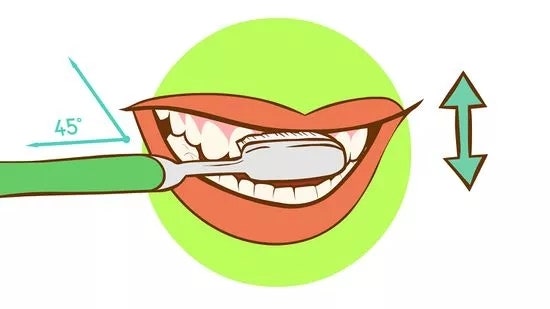
Tilt the toothbrush bristles at a 45-degree angle to the gum line. Gently brush in a short circular motion. Do not brush across the teeth horizontally.
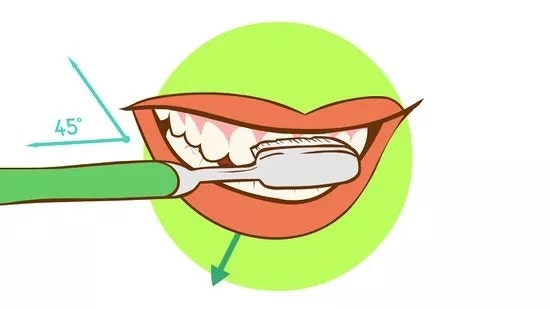
Brush your teeth for 3 minutes and 30 seconds. Divide your teeth into sections and brush each section, then brush all teeth in a circular motion overall (try brushing each section for about 12-15 seconds). It can also be helpful to divide the teeth into four areas: upper left, lower left, upper right, and lower right. If you brush each area for 30 seconds, you can complete brushing in 2 minutes.
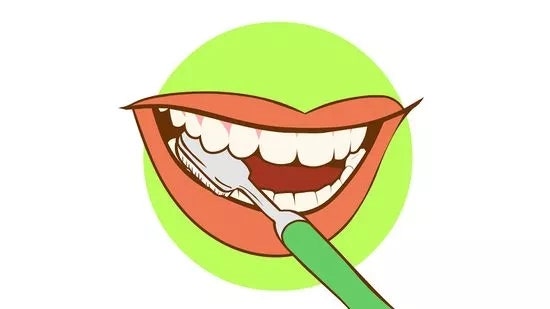
Brushing the molars. Stand the toothbrush vertically towards the lips and in the vertical direction, or shape the toothbrush so that the bristles touch the bottom of the molars. Repeat the brushing motion to clean the inside and outside of the mouth, reaching deep into the molars. Repeating this motion helps remove bacteria accumulated on the surface of the molars. Brush the opposite side using the same method. After brushing all the lower molars, change the direction of the toothbrush bristles and brush the upper molars as well.
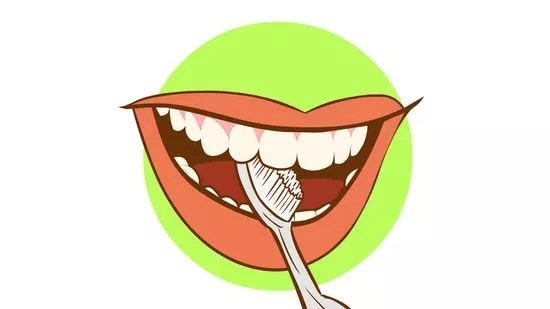
Brush the inside of the 5th tooth. Position the toothbrush so that the bristle part faces the gum line, then brush. According to dentists, many people overlook the inside area below the front teeth, so be sure not to forget and clean this part as well! Open your mouth wide enough and use 2-3 fingers of the other hand to keep your mouth open. This creates space to brush the inside of the teeth up and down.
Gently brush the tongue. After brushing all the teeth, use the bristles of the toothbrush to gently clean the tongue (be careful not to scrub too hard, as it can damage the cells). Cleaning the tongue can help eliminate bad breath and bacteria on the tongue.
Finish up
Rinse once. After brushing your teeth, use a cup or cup your hands to hold water, rinse your mouth, and spit out the water.
Rinsing the toothbrush twice. Rinse the toothbrush under running water for a few seconds to remove bacteria. If the toothbrush is not rinsed properly, old bacteria can penetrate the mouth when using the next toothbrush. Proper rinsing ensures no toothpaste remains. After rinsing, place the toothbrush in a well-ventilated area to dry thoroughly, which helps prevent bacterial growth.
Finish with an oral rinse containing 3% fluoride (optional). Put a small amount of mouthwash in your mouth and rinse thoroughly for 30 seconds, then spit it out. Be careful not to swallow.
Rinsing the mouth with 4% salt water (optional). Salt water removes bacteria from the teeth. Since salt water is acidic, there are rumors that using it too frequently can erode the teeth. As with everything, moderation is key, so avoid doing it too often.
Brush your teeth at least twice a day. Most dentists recommend brushing at least twice daily (once in the morning and once before bed). Brushing three times a day is even better! When brushing, maintaining a 45° angle will help remove plaque and food debris more effectively than not doing so. Additionally, reducing snack intake between meals can prevent the buildup of food and bacteria in the mouth.